
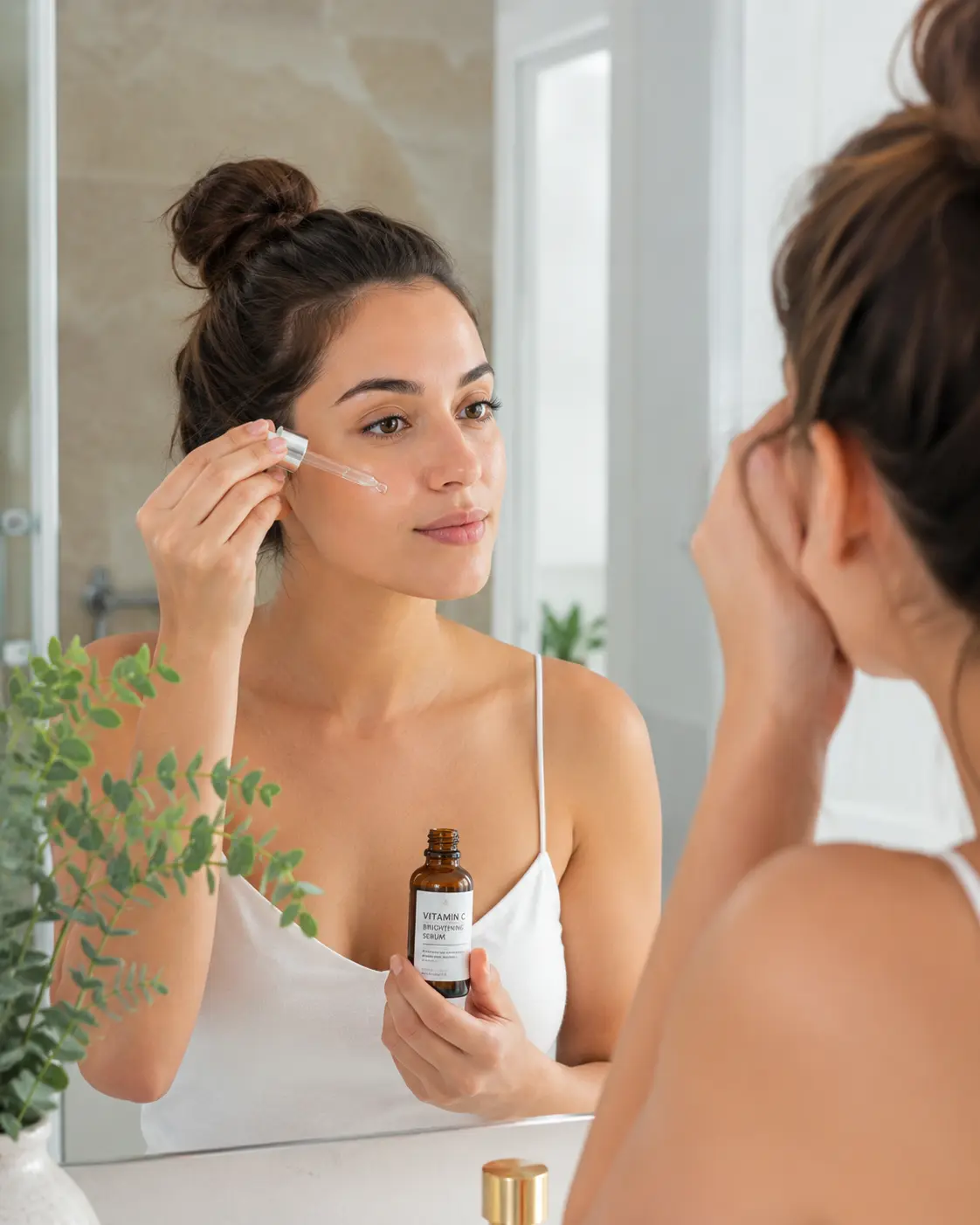
If your skincare shelf doesn’t have a vitamin C serum yet, 2026 is the year to fix that. It’s one of the few ingredients backed by decades of dermatological research for brightening skin, fading dark spots, and fighting the visible signs of aging — and once you get the routine right, the results speak for themselves.
Walk into any skincare aisle or scroll through any beauty influencer’s routine, and you’ll notice one common thread: an amber or clear dropper bottle labeled “Vitamin C.” It’s not a trend — it’s one of the most studied, most recommended active ingredients in modern skincare, and for good reason. Unlike ingredients that promise the world and deliver little, vitamin C has decades of clinical research behind it, and dermatologists across the board agree it deserves a permanent spot in your routine.
In this guide, we’ll break down exactly what vitamin C serum does, how to pick the right one for your skin, how to apply it so you actually see results, and the mistakes that quietly cancel out all your hard work.
What Is Vitamin C Serum and Why Does It Matter?
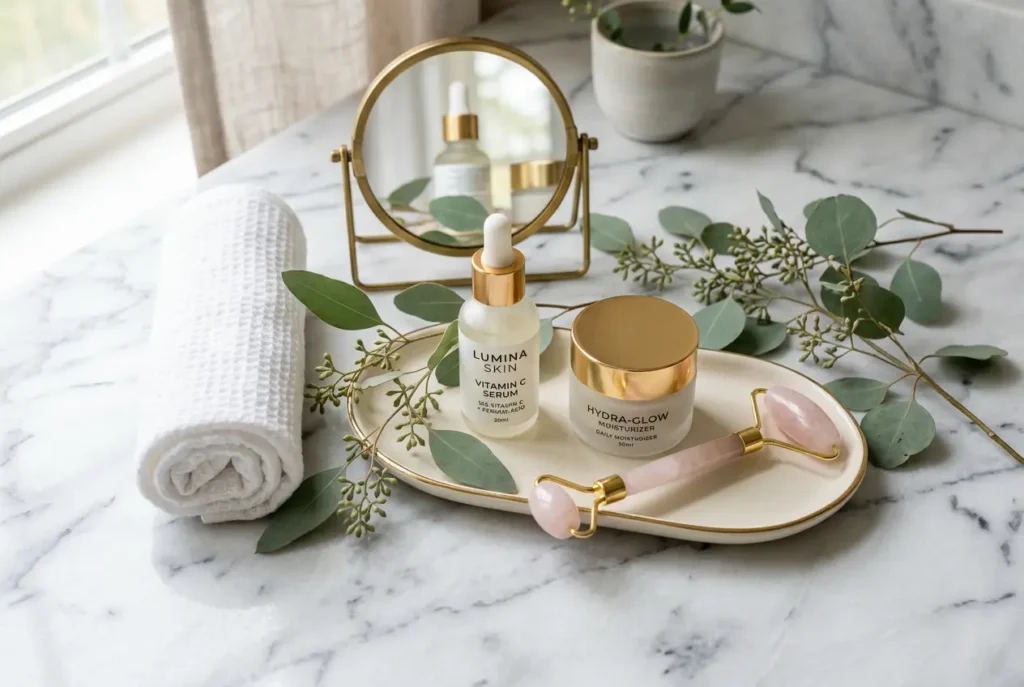
Vitamin C (ascorbic acid) is a powerful antioxidant that neutralizes free radicals from UV exposure and pollution — the two biggest culprits behind premature aging. When applied topically as a serum, it penetrates deeper than creams or lotions, delivering a concentrated dose directly to the skin where it’s needed most.
Unlike a moisturizer that mostly sits on the surface, a well-formulated serum is designed with smaller molecules and a lightweight, fast-absorbing texture, so the active ingredient actually reaches the deeper layers of skin instead of evaporating or sitting unused. That’s why serums — and vitamin C serums specifically — have become the backbone of most modern skincare routines, sitting right between cleansing and moisturizing.
Regular use is linked to:
- Brighter, more even-toned skin — fading hyperpigmentation, sun spots, and post-acne marks over time
- Reduced fine lines — by supporting the skin’s natural collagen production process
- Protection against environmental damage — antioxidant defense against UV rays and pollution particles
- A natural, healthy glow — improving overall skin radiance and texture
- Firmer-looking skin — as collagen synthesis improves with consistent, long-term use
Key Benefits of Vitamin C Serum

Dermatologists consistently recommend vitamin C as a daily-use ingredient because it works well with almost every skin type, from oily to dry to combination. The biggest wins include collagen support (which keeps skin firm and plump), a visible brightening effect on dull or tired-looking skin, and a boost to your skin’s natural barrier against environmental stressors like pollution and blue light.
Beyond the obvious brightening effect, long-term users often report a few less-talked-about benefits: more even skin texture, faster fading of old acne scars, and a subtle “bounce back” in skin elasticity. None of these happen overnight — vitamin C is a cumulative ingredient, meaning the real transformation shows up after weeks of consistent use, not days.
It also pairs beautifully with other actives — which is where hyaluronic acid comes in.
Vitamin C + Hyaluronic Acid: The Perfect Combo
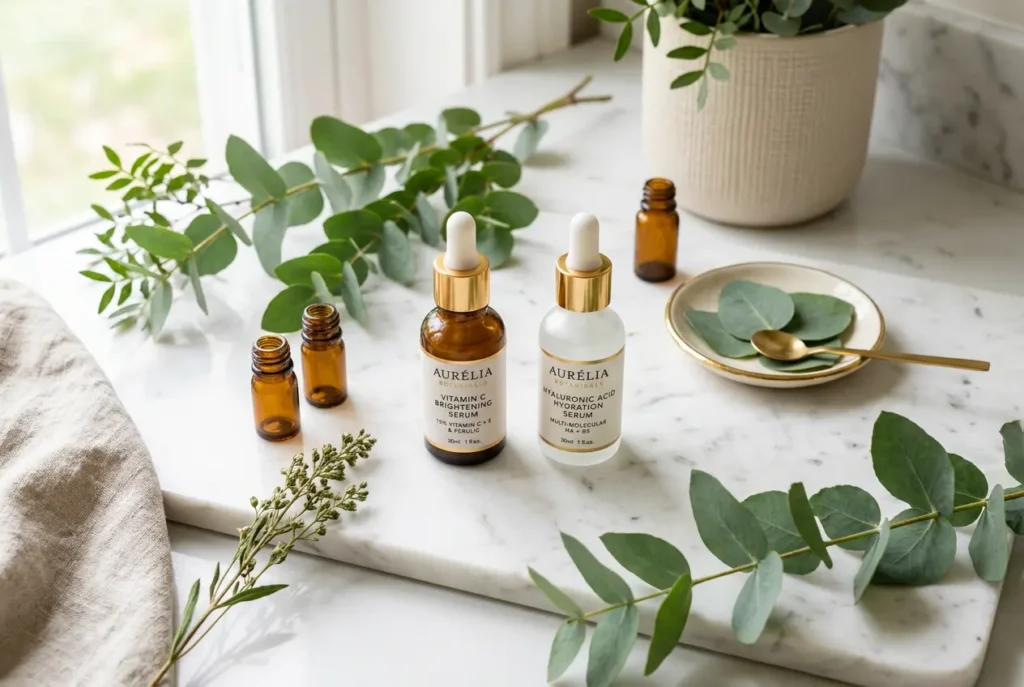
While vitamin C brightens and protects, hyaluronic acid hydrates — pulling moisture into the skin and locking it there. A single gram of hyaluronic acid can hold up to six liters of water, which is why it’s often described as a moisture magnet rather than a traditional moisturizer.
Using them together (vitamin C in the morning, layered under a hyaluronic acid moisturizer) gives you brightness and plumpness without irritation. This combo has become a staple step in modern morning skincare routines because the two ingredients don’t compete — they complement. Vitamin C can feel slightly drying or tight on its own for some skin types, and hyaluronic acid neutralizes that immediately by replenishing surface moisture right after application.
If you have dry or mature skin, this pairing is close to non-negotiable. If you have oily or acne-prone skin, a lightweight, gel-based hyaluronic formula works better than a heavy cream version.
How to Choose the Best Vitamin C Serum for Your Skin
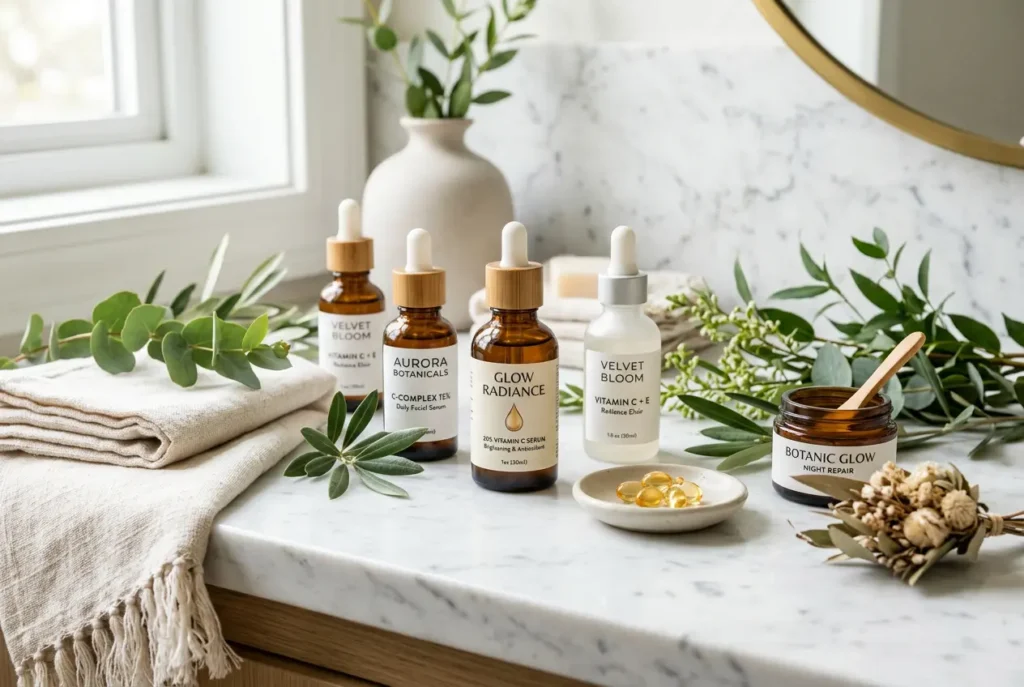
Not all vitamin C serums are created equal, and the wrong choice can mean irritation, wasted money, or simply no visible results. Here’s what to look for before you buy:
- Concentration: 10–20% is the sweet spot. Beginners should start around 10%, while experienced users with no sensitivity issues can go up to 20%. Anything above 20% rarely adds extra benefit and increases irritation risk.
- Form of Vitamin C: L-ascorbic acid is the gold standard (most effective, but can be less stable and slightly more irritating), while derivatives like sodium ascorbyl phosphate, magnesium ascorbyl phosphate, or tetrahexyldecyl ascorbate are gentler options for sensitive skin.
- Packaging: Vitamin C degrades quickly in light and air, so look for dark amber or opaque glass bottles with airtight droppers or pump dispensers — avoid clear jars or bottles that require dipping fingers in.
- Added ingredients: Ferulic acid and vitamin E boost stability and effectiveness — a combo often called the “CE Ferulic” formula, and one of the most well-researched vitamin C pairings available.
- Your skin type: Oily and acne-prone skin can typically handle higher concentrations and water-based formulas; sensitive or dry skin should start gentle, look for added soothing ingredients like niacinamide or aloe, and build up tolerance slowly.
- Scent and color: A slight natural scent is normal, but a strong, rancid, or overly sweet smell — paired with a dark orange or brown color — usually signals the product has already oxidized.
👉 Shop top-rated Vitamin C Serums on Amazon
How to Apply Vitamin C Serum Correctly

Getting the application right matters just as much as picking the right product. Even a high-quality serum will underperform if it’s layered incorrectly or applied at the wrong point in your routine. Follow this order for maximum benefit:
- Cleanse your face with a gentle cleanser to remove oil, sweat, and overnight buildup.
- Tone (optional) to balance skin pH and prep the skin for better absorption.
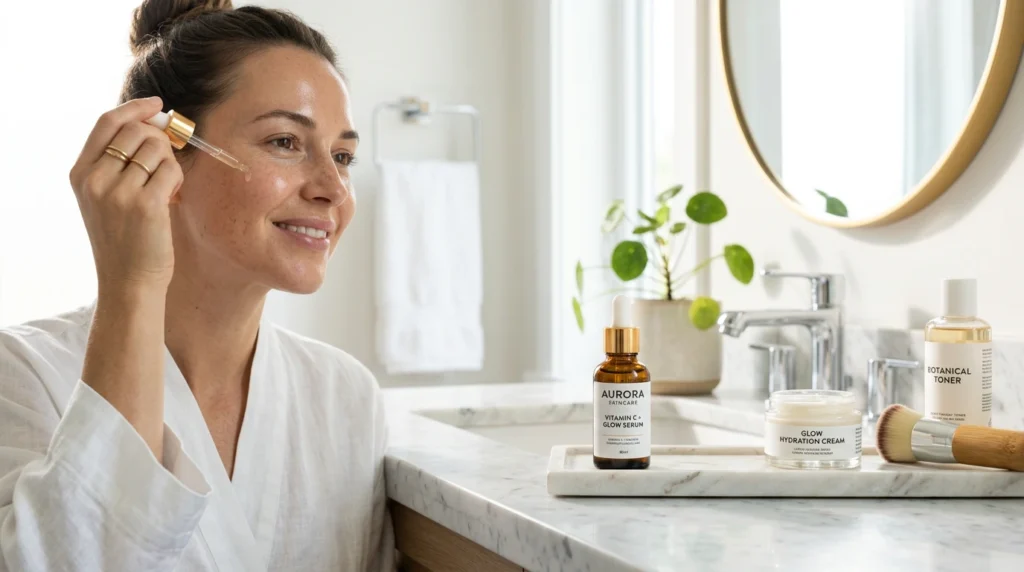
- Apply Vitamin C Serum — 2–3 drops, patted (not rubbed) into slightly damp skin. Rubbing can create friction and reduce absorption, while patting helps the serum sink in evenly.
- Wait 1–2 minutes for full absorption before moving to the next step.
- Layer hyaluronic acid or a hydrating moisturizer to lock in moisture and soften any tightness.
- Finish with sunscreen (SPF 30+) — always, without exception, even on cloudy days or if you’re staying indoors near a window.
A common question is whether vitamin C should go on wet or dry skin. Most water-based formulas actually absorb best on slightly damp skin right after cleansing, since the moisture helps the product spread evenly rather than sitting on dry patches.
👉 Browse Vitamin C + Hyaluronic Acid Serum Sets
Why You Must Apply Sunscreen After Vitamin C Serum
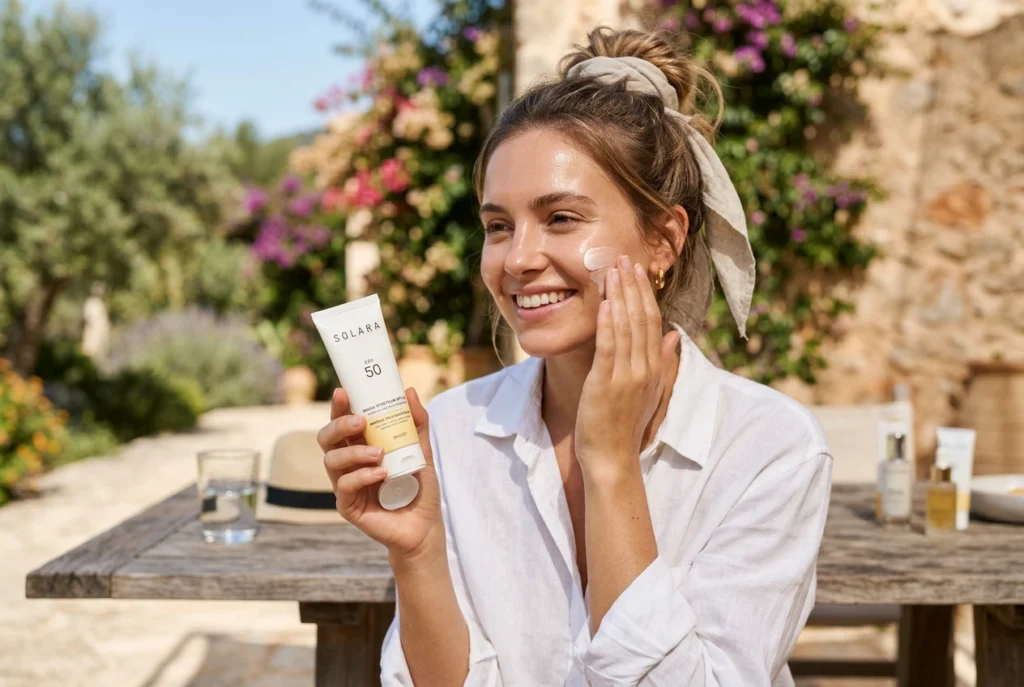
This is the step most people skip — and shouldn’t. Vitamin C makes skin more receptive to sun protection, but it is not a sunscreen substitute. In fact, vitamin C and SPF work as a team: vitamin C neutralizes free radicals that have already formed from UV exposure, while sunscreen blocks UV rays from causing that damage in the first place. Together, they cover both the offense and defense of sun protection.
Skipping sunscreen after vitamin C means you’re missing half the protection — and risking the very dark spots and fine lines you’re trying to prevent in the first place. Worse, some forms of vitamin C can make skin slightly more sun-sensitive during the adjustment period, which makes SPF even more essential, not less.
Make broad-spectrum SPF 30–50 the non-negotiable last step of your morning routine, rain or shine, indoors or outdoors. If you’re reapplying throughout the day, a setting-spray SPF or powder SPF over makeup is an easy way to stay protected without disrupting your look.
👉 Find broad-spectrum SPF 50 sunscreens
A Simple Morning Skincare Routine with Vitamin C
| Step | Product | Purpose |
|---|---|---|
| 1 | Gentle cleanser | Remove overnight buildup |
| 2 | Vitamin C serum | Brighten & protect |
| 3 | Hyaluronic acid / moisturizer | Hydrate & lock in |
| 4 | Sunscreen SPF 30+ | Protect from UV damage |
This four-step routine takes under five minutes and is the foundation most dermatologists recommend for glowing, healthy skin.
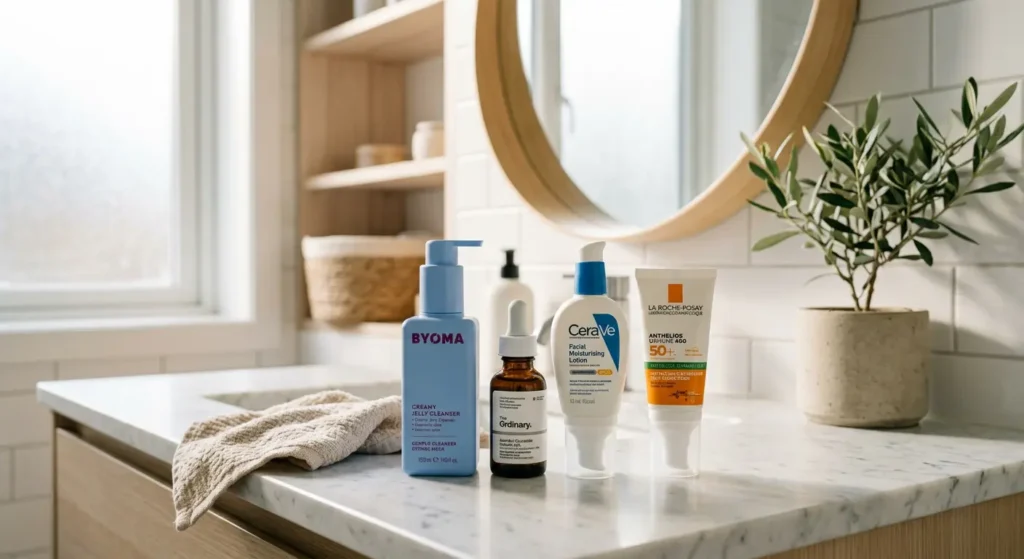
Best Vitamin C Serums for Face (Editor’s Picks)
- Best for Beginners — a gentle 10% formula with added antioxidants for first-time users
- Best for Brightening — a 15–20% L-ascorbic acid formula with ferulic acid for visible spot-fading
- Best for Sensitive Skin — a derivative-based formula (sodium ascorbyl phosphate) that’s low-irritation
- Best Budget Pick — an affordable everyday option that still delivers real antioxidant protection
👉 See the full Vitamin C Serum lineup on Amazon

Common Mistakes to Avoid
Even good products can underdeliver if these small habits get in the way:
- Storing it wrong: Heat, sunlight, and open-air exposure break down vitamin C fast — keep bottles in a cool, dark drawer rather than on a sunny bathroom shelf.
- Mixing with the wrong actives: Avoid combining vitamin C with retinol or strong exfoliating acids (like glycolic or salicylic acid) in the same routine, since this can increase irritation; alternate morning/night instead — vitamin C in the AM, retinol or acids in the PM.
- Skipping sunscreen: As covered above, this cancels out much of the antioxidant benefit and leaves skin more exposed, not less.
- Using too much, too soon: Jumping straight to a 20% concentration can cause redness, stinging, or peeling. Start with lower concentrations 2–3 times a week and build up to daily use.
- Ignoring the color: If your serum turns dark orange or brown, or develops a strong odor, it has oxidized and lost most of its potency — time to replace it, even if the bottle isn’t empty.
- Applying too close to sunscreen without waiting: Rushing straight from serum to sunscreen without letting it absorb can cause pilling or reduce even coverage. A minute or two makes a real difference.
- Expecting overnight results: Vitamin C is a long game. Most visible brightening and texture improvements show up gradually between weeks 4 and 12 of consistent use.
Frequently Asked Questions
Can I use vitamin C serum every day? Yes, for most skin types, daily morning use is ideal. Sensitive skin may want to start with every other day and build up gradually.
Can I use vitamin C serum and retinol together? It’s generally better to separate them — vitamin C in the morning and retinol at night — to avoid unnecessary irritation, since both are potent active ingredients.
Does vitamin C serum expire? Yes. Most formulas last 3–6 months once opened, especially if not stored properly. A change in color or smell is your clearest sign it’s time to replace it.
Is a higher percentage always better? No. Higher isn’t automatically better — 10–20% is effective for most people, and going beyond that mostly increases the risk of irritation without added benefit.
Can vitamin C serum help with acne scars? Yes, over time. Vitamin C’s brightening and collagen-supporting properties can gradually fade post-acne marks, though results are typically visible after consistent use over several weeks to months.
Final Thoughts
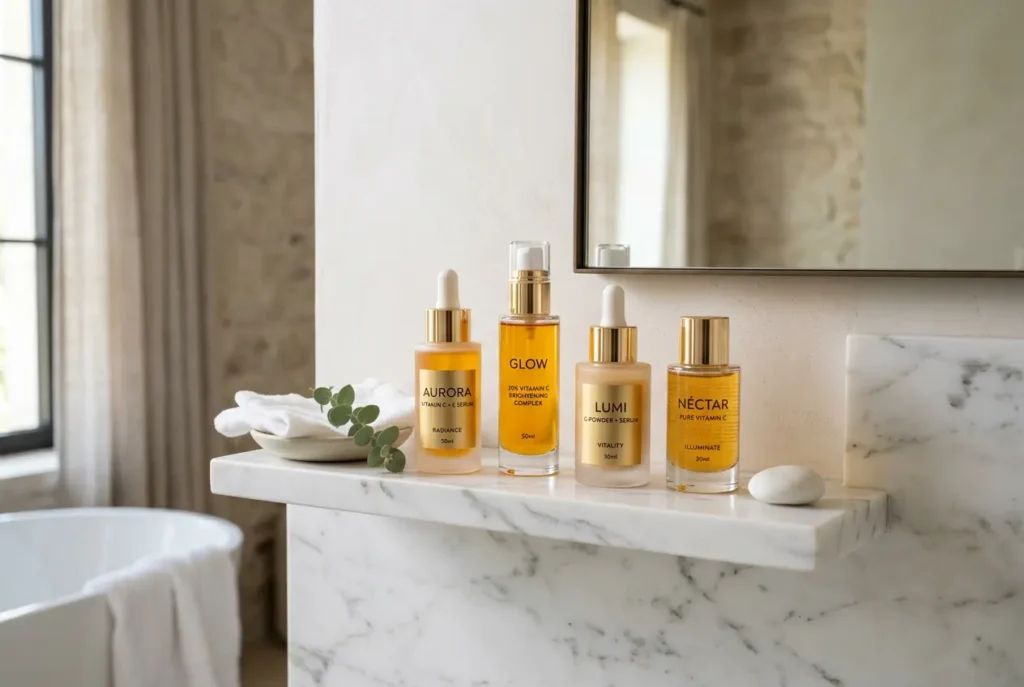
A good vitamin C serum, applied consistently and layered correctly with hydration and sunscreen, is one of the simplest ways to get brighter, healthier, more even-toned skin over time. It’s not about finding one “miracle” bottle — it’s about the routine around it: the right concentration for your skin, proper storage, smart layering, and sunscreen every single day.
Consistency matters more than any single product claim. Give your new vitamin C serum 8–12 weeks before judging results, and resist the urge to switch products too soon — most of the visible change happens in that later stretch, not the first week.
This post contains affiliate links. As an Amazon Associate, we earn from qualifying purchases at no extra cost to you.