Affiliate Disclosure: This post contains affiliate links. If you purchase through these links, we may earn a small commission at no extra cost to you. We only recommend products we genuinely believe in.
If you have spent even five minutes on skincare TikTok or Pinterest, you already know that Korean sunscreens are having a global moment. They are lightweight, they layer beautifully under makeup, and unlike a lot of Western sunscreens, they almost never leave that dreaded white, ghostly cast on your skin.
But here’s the problem: not every Korean sunscreen works for every skin type. What glides on beautifully for someone with dry skin can clog pores on oily skin. What calms a sensitive face can feel too heavy for someone who sweats a lot during the day. The Korean skincare market is huge, and picking the right formula for your specific skin can feel overwhelming.
This guide breaks it all down. We will cover what makes Korean sunscreens different, how to read the labels (SPF, PA+, and all), and the best options for oily, dry, combination, sensitive, mature, and acne-prone skin. Every recommendation below is something real people use daily, not just hype.
Why Korean Sunscreens Are Different From Western Sunscreens
Before we get into individual products, it helps to understand why Korean sunscreens feel so different on the skin.
1. They focus heavily on cosmetic elegance. Korean skincare brands treat sunscreen as a daily skincare step, not an afterthought. That means formulas are designed to feel like a serum or light moisturizer, not a thick paste you have to rub in for a full minute.
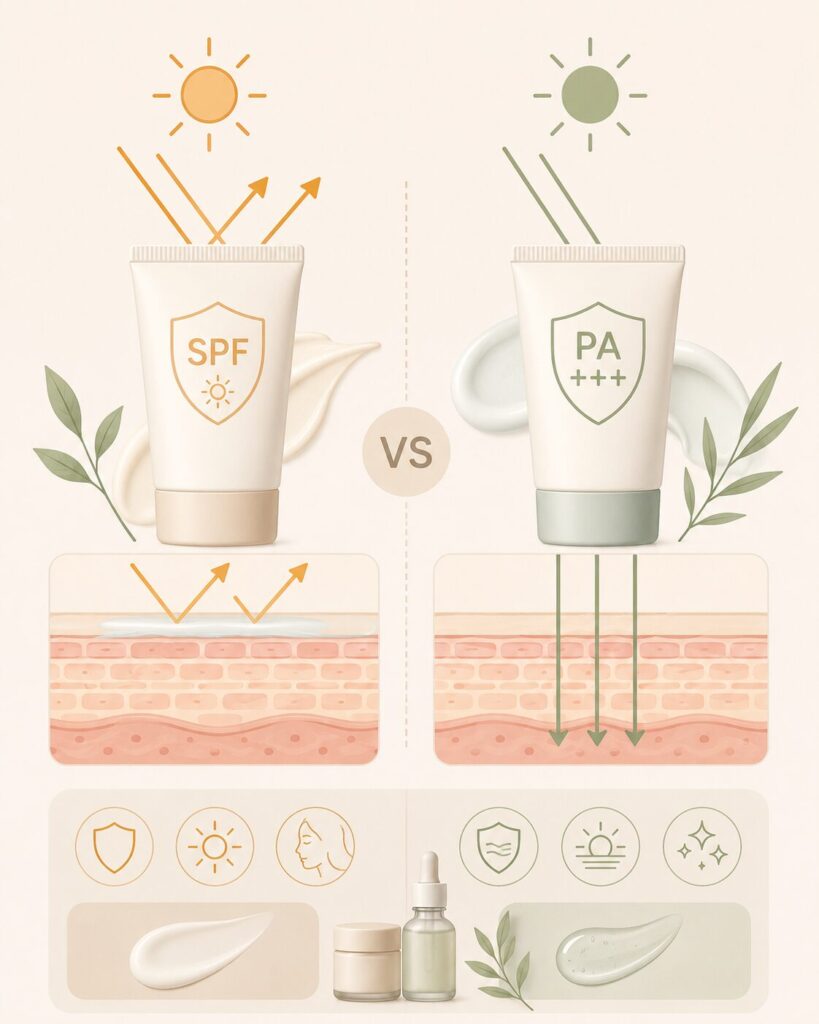
2. Better UVA protection labeling. Korean sunscreens use the PA rating system (PA+, PA++, PA+++, PA++++) alongside SPF. SPF tells you how well a product protects against UVB rays (the ones that cause sunburn), while PA tells you about UVA protection (the ones linked to premature aging and deeper skin damage). Looking for both numbers gives you a fuller picture of protection.
3. Advanced filter technology. Many Korean sunscreens use newer generation UV filters that are more photostable and blend more easily into the skin, which is part of why they rarely leave a white cast, even on deeper skin tones.
4. Hybrid and chemical formulas dominate. While Western drugstores are still catching up on modern filters, Korean brands have had access to a wider range of chemical and hybrid UV filters for years, which makes the textures much more skin-friendly.
How to Choose a Korean Sunscreen for Your Skin Type
A few quick things to check before buying any sunscreen:
- SPF 50 / PA++++ is the gold standard if you want strong daily protection, especially for outdoor days.
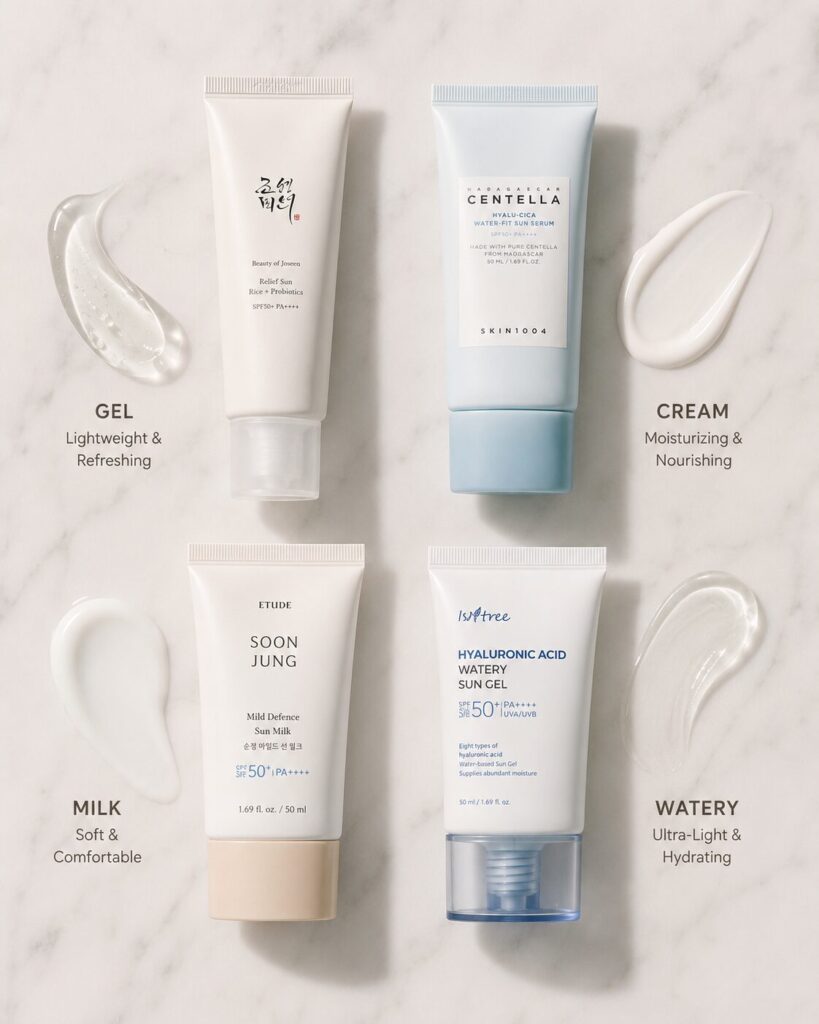
- Gel and fluid textures work best for oily and combination skin.
- Cream and milk textures work best for dry and mature skin.
- Mineral or hybrid formulas are gentler for sensitive and reactive skin.
- Reapply every 2–3 hours if you’re outdoors, regardless of how good the formula is.
Now let’s get into the best picks by skin type.
Best Korean Sunscreens for Oily and Acne-Prone Skin
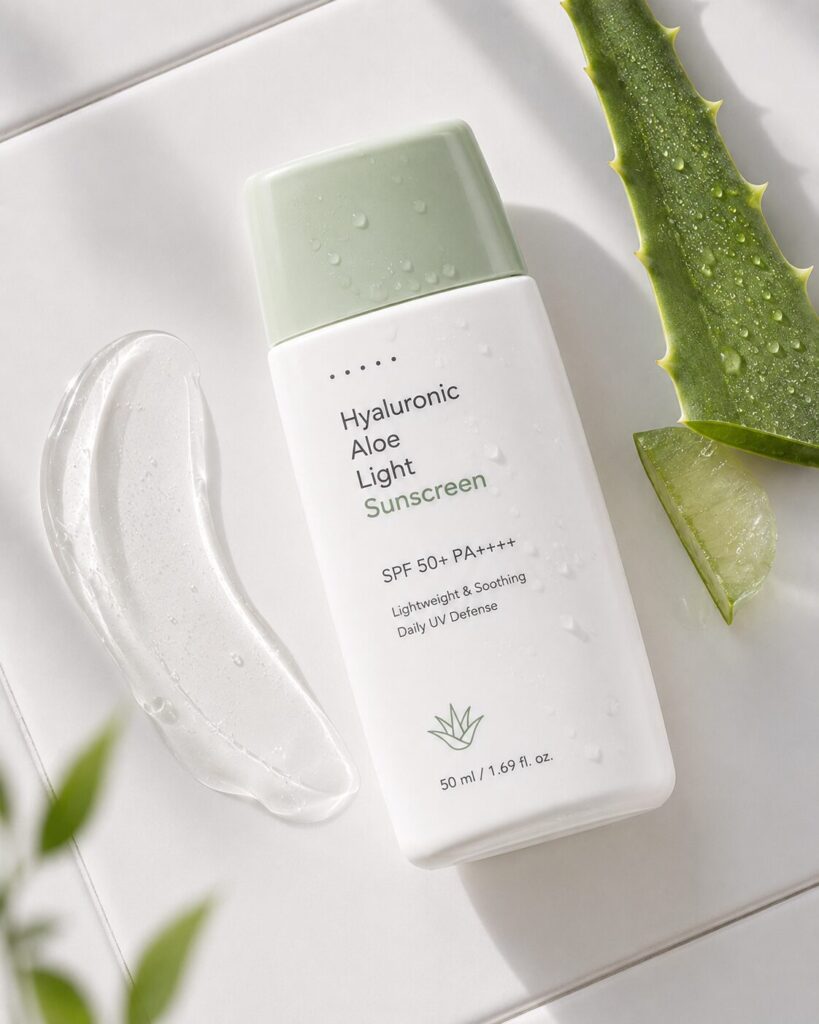
If your skin gets shiny by noon or you’re prone to breakouts, you want a sunscreen that is lightweight, mattifying, and non-comedogenic (meaning it won’t clog your pores).
1. COSRX Aloe Soothing Sun Cream SPF50 PA+++
This is a cult favorite for a reason. It has a watery, almost gel-like texture that absorbs in seconds and leaves a soft matte finish. The aloe base also helps calm any redness from breakouts.
Check price and availability here
2. Missha All-Around Safe Block Essence Sun SPF45 PA+++
A long-time favorite in Korea, this sunscreen has an essence-like texture that sinks in without any greasy residue. Great for layering under makeup on hot, humid days. 👉 See current price
3. Purito Centella Green Level Unscented Sun SPF50+ PA++++
Fragrance-free and formulated with centella asiatica extract, this one is a go-to for acne-prone skin that reacts badly to scented products. It also carries very high UVA protection. 👉 Check price
Best Korean Sunscreens for Dry Skin
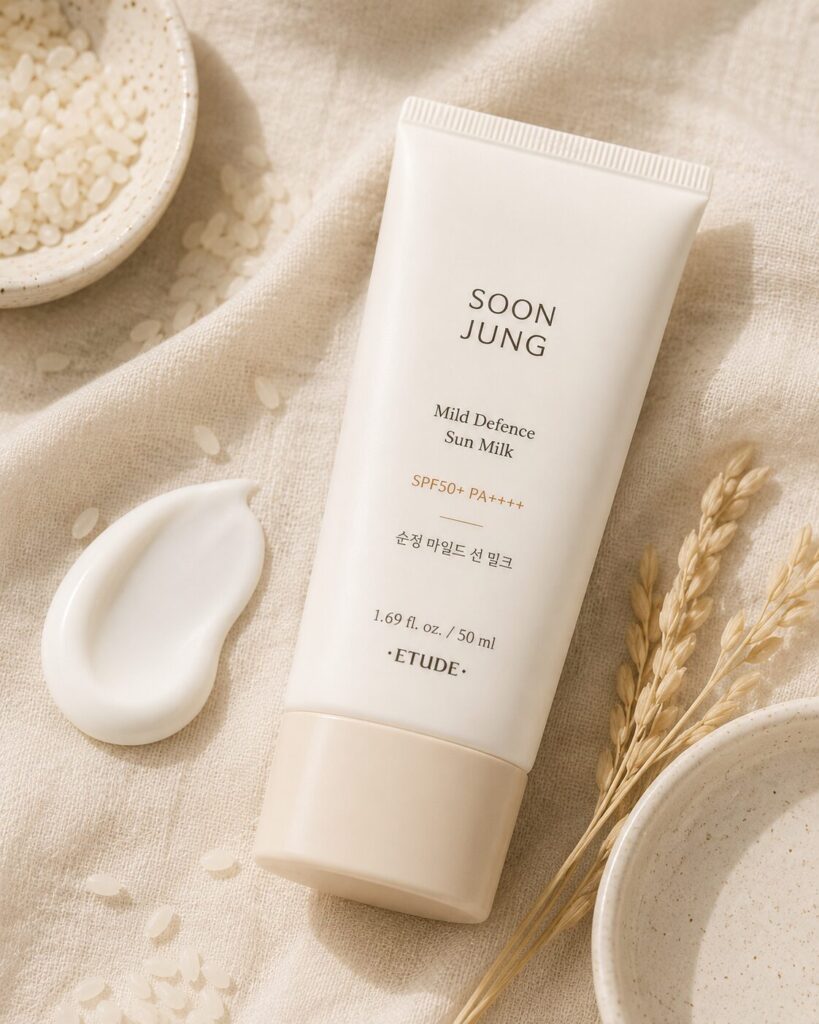
Dry skin needs a sunscreen that adds hydration rather than pulling moisture away, without feeling sticky or heavy.
4. Beauty of Joseon Relief Sun Rice + Probiotics SPF50+ PA++++
One of the most talked-about sunscreens in the K-beauty world right now. It has a slightly dewy, glowy finish thanks to rice extract and probiotics, and it plays very nicely with dry, flaky patches. 👉 Check availability
5. Anessa Perfect UV Sunscreen Skincare Milk SPF50+ PA++++
Technically Japanese but a staple in every K-beauty and J-beauty lover’s routine, this sunscreen is famous for being both waterproof and moisturizing at the same time, which is rare. Great for dry skin that also sweats easily. 👉 See it here
6. Round Lab Birch Juice Moisturizing Sunscreen SPF50+ PA++++
Formulated with birch sap, this sunscreen has a hydrating, almost lotion-like finish. It’s a favorite for people who live somewhere cold or dry and still want daily sun protection without tightness. 👉 Check current price
Best Korean Sunscreens for Sensitive and Reactive Skin
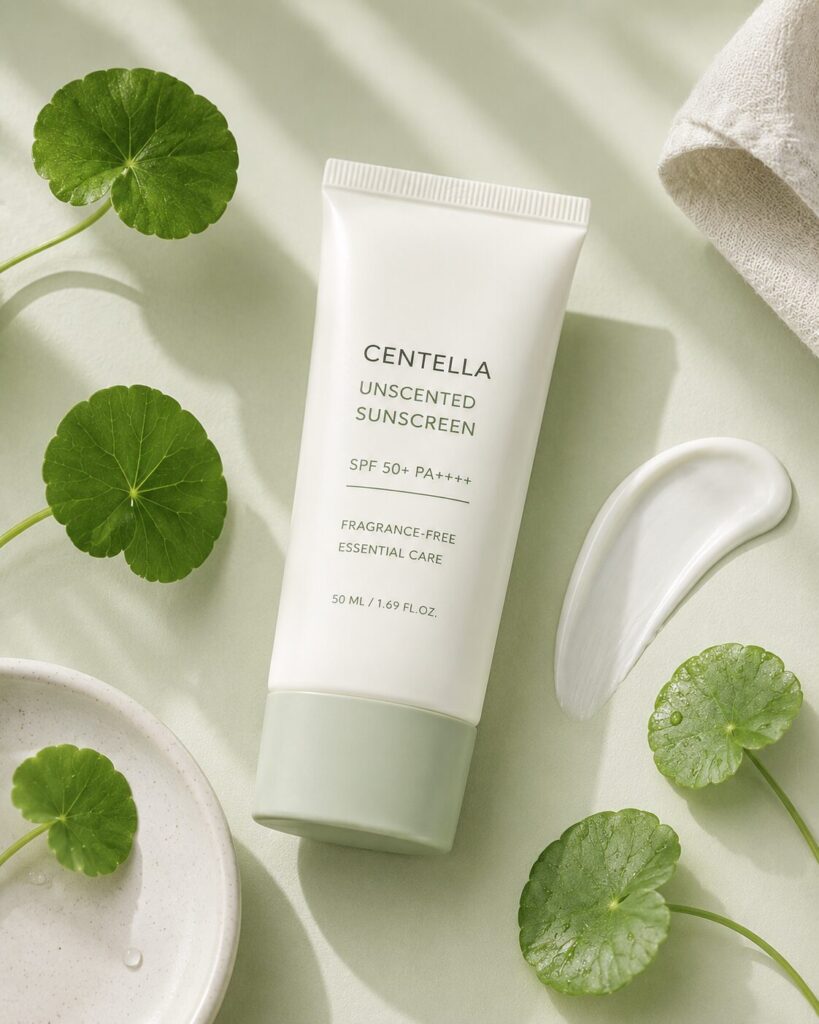
If your skin flares up easily, look for mineral or hybrid formulas with minimal fragrance and soothing ingredients.
7. Isntree Hyaluronic Acid Watery Sun Gel SPF50+ PA++++
Extremely gentle and hydrating, this sunscreen is a favorite among people with reactive or easily irritated skin. The watery gel texture means there’s very little residue left behind. 👉 View product
8. Skin1004 Madagascar Centella Air-Fit Sun SPF50+ PA++++
Built around centella asiatica, a well-known soothing ingredient in Korean skincare, this sunscreen is a solid pick for skin that reacts to fragrance or harsh chemical filters. 👉 Check price
Best Korean Sunscreens for Combination Skin
Combination skin needs a bit of everything: lightweight enough for the oily T-zone, hydrating enough for drier cheeks.
9. Etude Sunprise Mild Airy Finish SPF50+ PA+++
A budget-friendly option with a soft matte finish that isn’t too drying. It works well across most skin types but especially shines on combination skin that needs balance. 👉 See price on Amazon
Best Korean Sunscreen for Mature and Anti-Aging Focused Skin
10. Dr. G Brightening Up Sun SPF50+ PA++++
This one is loved for its brightening, slightly radiant finish, which works well for mature skin that wants a bit of extra glow along with sun protection. 👉 Check availability
How to Apply Korean Sunscreen the Right Way
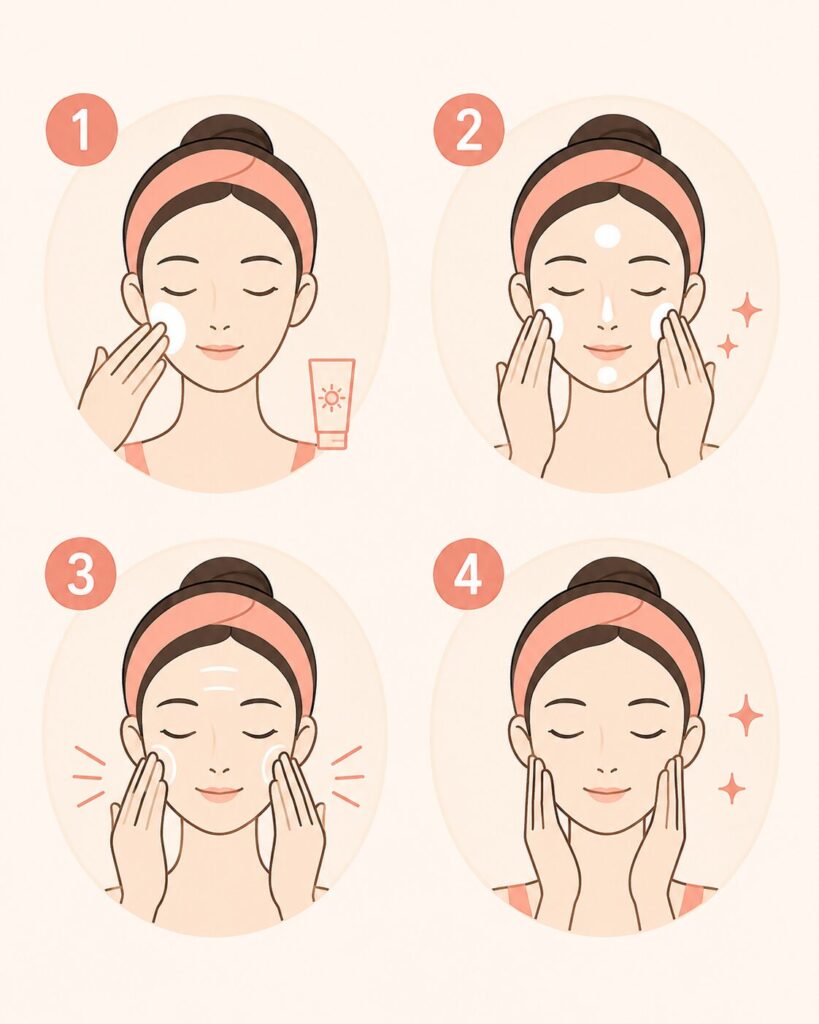
Even the best sunscreen won’t protect you properly if it’s applied incorrectly. Here are a few simple rules:
- Use enough product. Most people apply far too little. A good rule of thumb is about a quarter-sized amount (roughly 1.2 grams) for the full face.
- Apply it last in your skincare routine, before makeup. Sunscreen should go on after your moisturizer, or it should be your final skincare step.
- Reapply every 2–3 hours if outdoors. Cushion compacts or spray sunscreens make midday reapplication easier over makeup.
- Don’t skip it on cloudy days. UV rays pass through clouds, so daily use matters even when the sun isn’t visibly out.
- Layer with an SPF-containing makeup product for extra protection during the day, but never rely on makeup as your only source of SPF.
Common Mistakes to Avoid With Korean Sunscreen
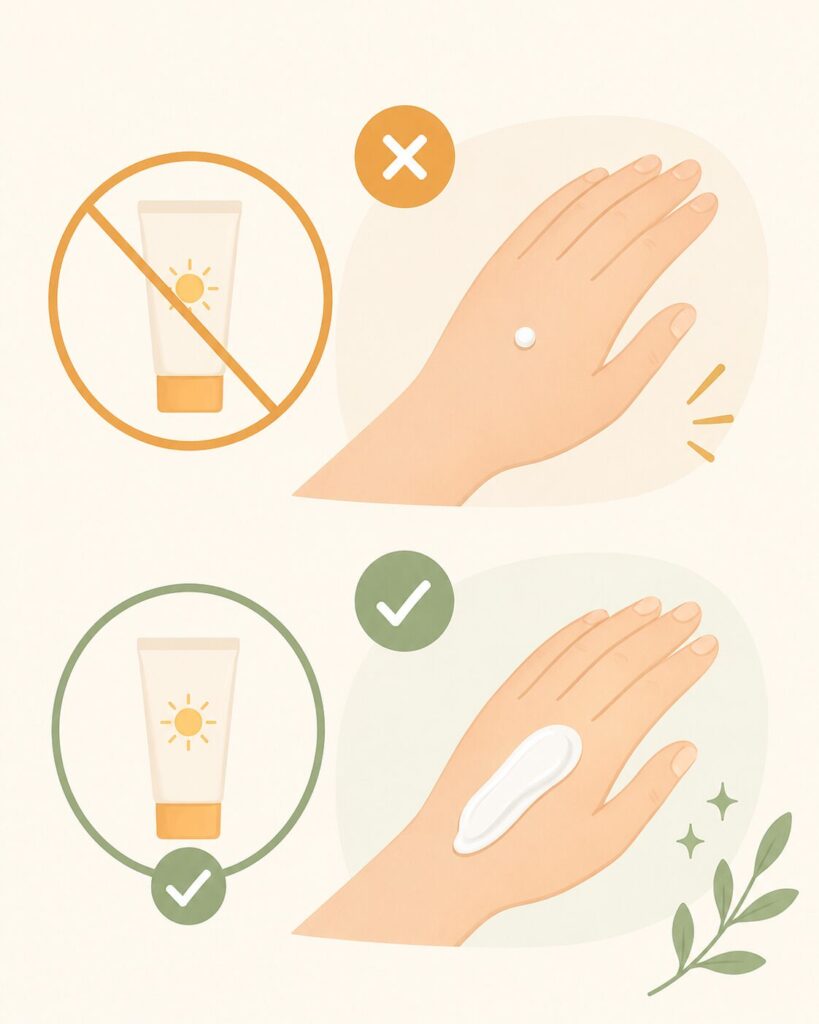
- Using too little product. This is the single biggest reason sunscreen fails to protect properly.
- Skipping reapplication. SPF wears off from sweat, touching your face, and simple sun exposure over time.
- Choosing SPF over PA rating. A high SPF with a low PA rating still leaves your skin vulnerable to UVA damage, which contributes to fine lines and dark spots.
- Ignoring your skin type. A heavy cream sunscreen on oily skin can lead to breakouts, just as a very lightweight gel might not be hydrating enough for dry skin.
Frequently Asked Questions
Do Korean sunscreens leave a white cast? Most modern Korean sunscreens are formulated to blend in without a white cast, which is part of why they’re so popular for deeper skin tones. Always patch test a new product first, since individual skin chemistry can vary.
Is SPF 50 enough for daily use? Yes, SPF 50 with a high PA rating (PA+++ or PA++++) is more than enough for most daily situations, including regular outdoor exposure.
Can I use a Korean sunscreen under makeup? Yes. Most Korean sunscreens are designed with makeup layering in mind, especially essence and gel textures, which absorb quickly and create a smooth base.
How long does an opened sunscreen last? Most sunscreens should be used within 6 to 12 months of opening, since the active ingredients can lose effectiveness over time. Check the PAO (Period After Opening) symbol on the packaging.
Are Korean sunscreens safe for sensitive skin? Many are, especially fragrance-free and centella-based formulas. That said, always patch test first, since “sensitive skin” can react differently to different ingredients.
Final Thoughts
Korean sunscreens have earned their global reputation for a reason: they combine strong protection with textures that actually feel good on the skin. The key is matching the formula to your specific skin type rather than just following trends. Oily skin will thrive with a gel or watery finish, dry skin benefits from more nourishing, milk-like textures, and sensitive skin does best with fragrance-free, centella-based formulas.
Whichever one you choose, the most important habit is consistency. The best sunscreen is the one you’ll actually use every single day.
Note for the site owner: all 10 product links above now point to Amazon search URLs as placeholders. Swap each one for your actual Amazon Associates affiliate tracking link before publishing. The affiliate disclosure is placed right at the top, immediately after the title, as required.