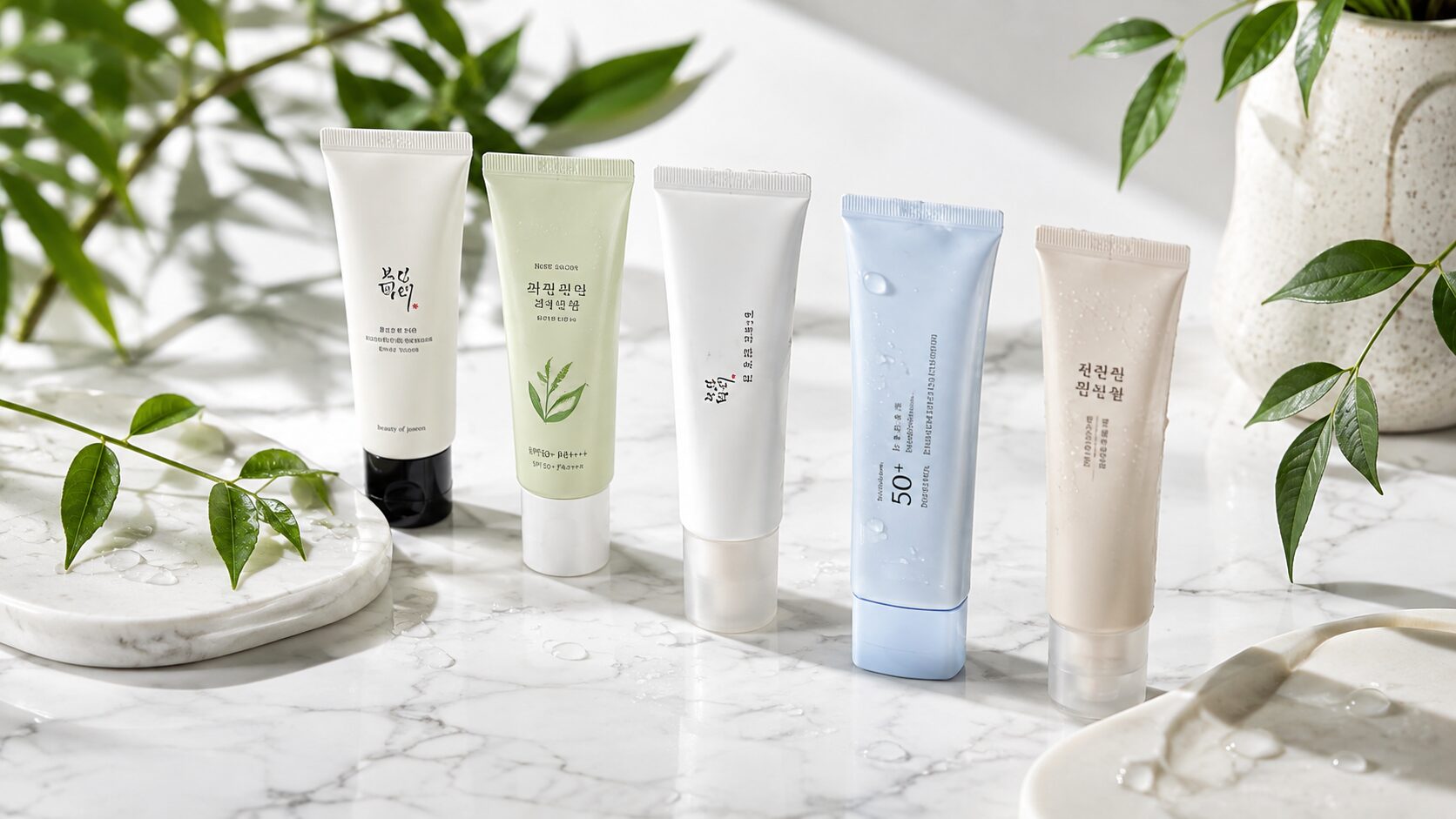
If you’ve spent even five minutes in the world of K-beauty, you already know Korean sunscreens are on a different level. They’re lightweight, they don’t leave that chalky white cast, and somehow they feel more like a skincare step than a chore. But here’s the catch — not every Korean sunscreen works for every skin type. What glides on beautifully for dry skin can feel heavy and greasy on oily skin. What calms sensitive, reactive skin might not offer enough hydration for someone with dehydrated, flaky patches.
In this guide, we’re breaking down the best Korean sunscreens for every skin type — oily, dry, combination, sensitive, acne-prone, and mature skin — so you can stop guessing and start protecting your skin the right way. Every product mentioned here is from a trusted, well-established brand with real ingredient transparency, so you’re not rolling the dice on something random from a marketplace listing.
Quick disclosure: this post contains affiliate links. If you buy through one of them, we may earn a small commission at no extra cost to you. We only recommend products we’d genuinely put on our own faces.
Why Korean Sunscreens Are Different (And Why That Matters)
Before we get into the picks, it helps to understand why Korean sunscreens have such a cult following in the first place.
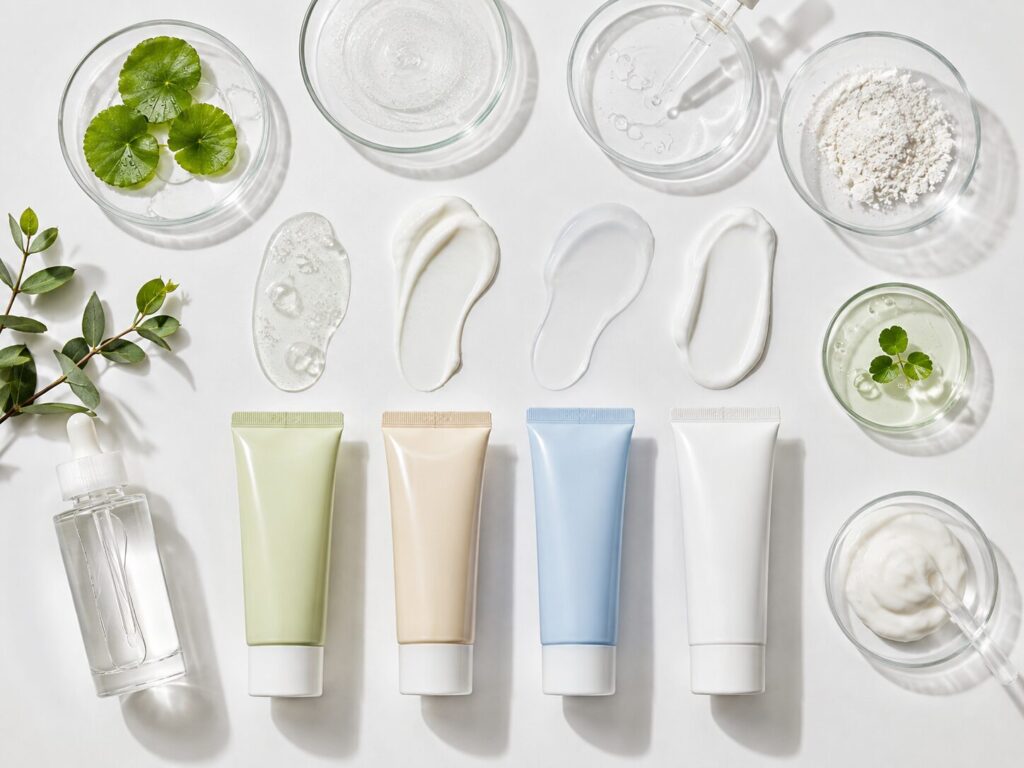
1. Cosmetic-grade UV filters. Korea’s cosmetic regulatory body (MFDS) approves a wider range of modern chemical UV filters than the US FDA does. This means Korean formulas can use newer-generation filters that are more stable and blend more easily into the skin, instead of relying heavily on older filters that tend to feel thick or leave residue.
2. Skincare-first formulation. Korean sun care brands treat sunscreen as a skincare product, not just a protective barrier. That’s why so many Korean sunscreens include centella asiatica, niacinamide, hyaluronic acid, or ceramides right in the formula — you’re getting SPF and skincare benefits in one step.
3. Texture innovation. Gel, milk, essence, and watery-lotion textures are far more common in K-beauty sun care than the thick, pasty textures many Western sunscreens still use. This is a big reason Korean sunscreens layer so well under makeup.
4. No white cast, generally. Because of the finer filter technology, most modern Korean sunscreens sink in clear, even on deeper skin tones — something a lot of mineral-only Western sunscreens still struggle with.
Now let’s get into the actual recommendations, organized by skin type so you can jump straight to what applies to you.
Best Korean Sunscreen for Oily and Acne-Prone Skin
If your skin gets shiny by noon or you’re prone to breakouts, you want a sunscreen that’s oil-free, mattifying, and won’t clog pores.
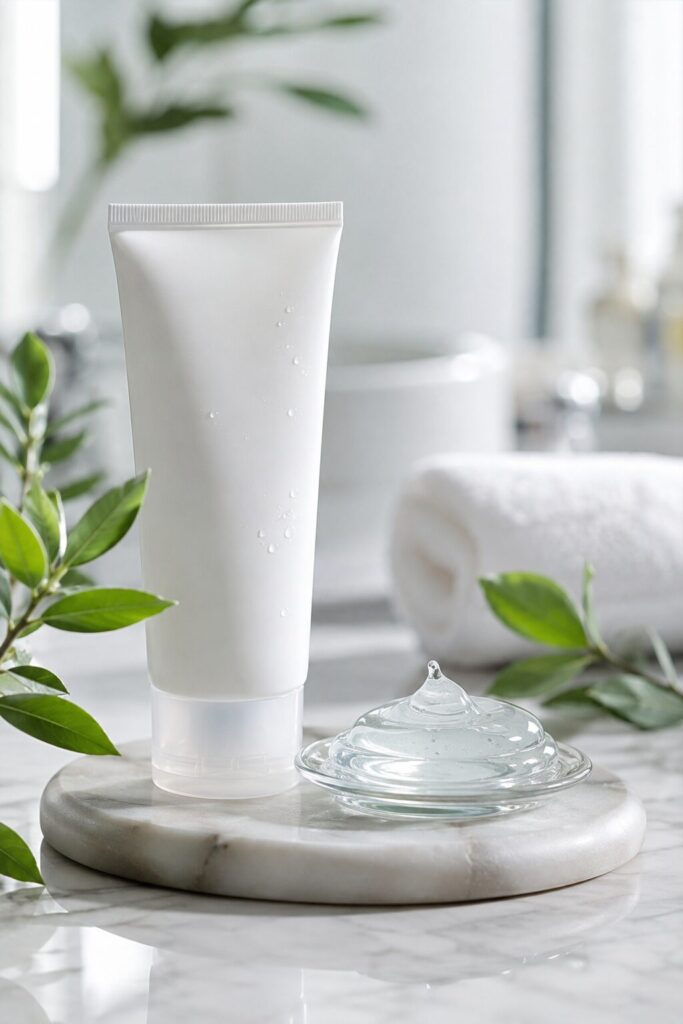
1. Beauty of Joseon Relief Sun: Rice + Probiotics SPF50+ PA++++
This is easily one of the most talked-about Korean sunscreens online right now, and for good reason. It has a lightweight, almost watery-milk texture that sinks in within seconds and leaves a soft matte-to-natural finish. Rice extract helps brighten slightly, and it layers beautifully under makeup without pilling.
👉 Check current price on Amazon
2. Round Lab Birch Juice Moisturizing Sunscreen
Don’t let “moisturizing” in the name fool you — this one actually works well for combination-to-oily skin because birch juice is a lightweight hydrator, not a heavy oil. It has a gel-like finish that controls shine through the day without feeling stripping.
3. COSRX Aloe Soothing Sun Cream SPF50 PA+++
A great budget-friendly pick for acne-prone skin. It’s fragrance-free, non-comedogenic, and the aloe base helps calm any redness from breakouts while providing solid broad-spectrum protection.
👉 Check current price on Amazon )
Best Korean Sunscreen for Dry Skin
Dry skin needs a sunscreen that adds moisture rather than sitting on top of already-flaky patches.
4. Isntree Hyaluronic Acid Watery Sun Gel SPF50+ PA++++
This is a favorite among dry-skin users because the hyaluronic acid base genuinely plumps and hydrates while it protects. The “watery gel” texture absorbs fast but leaves a dewy, healthy glow rather than a matte finish — ideal if your skin tends to feel tight after cleansing.
👉 Check current price on Amazon
5. Skin1004 Madagascar Centella Tone Brightening Sun Cream SPF50+ PA++++
Skin1004 built its reputation on centella asiatica, and this sunscreen combines that soothing ingredient with a rich-but-not-greasy cream base. It’s a strong option if your dry skin also deals with redness or sensitivity, since centella has calming properties alongside the added moisture.
6. Missha All-Around Safe Block Essence Sun SPF45 PA+++
A long-running, well-loved formula in Korea. The essence-based texture feels closer to a hydrating serum than a typical sunscreen, and it works especially well as a base layer for dry or mature skin before makeup.
👉 Check current price on Amazon
Best Korean Sunscreen for Sensitive Skin
If your skin reacts easily to fragrance, alcohol, or certain chemical filters, you’ll want something minimal and calming.
7. Purito Centella Green Level Unscented Sun SPF50+ PA++++
This is one of the most recommended Korean sunscreens for sensitive skin because it’s fragrance-free, alcohol-free, and formulated around centella asiatica extract to reduce irritation. It has a light, slightly tinted finish that suits most skin tones without a cast.
👉 Check current price on Amazon
8. Torriden Dive-In Low Molecule Hyaluronic Acid Sun Cream
Torriden built its identity around gentle, barrier-friendly formulas, and this sunscreen fits that mold. It’s minimal in ingredients, low in potential irritants, and pairs hydration with sun protection — a solid pick if your skin is reactive but still needs moisture.
Best Korean Sunscreen for Combination Skin
Combination skin (oily T-zone, drier cheeks) usually does best with balanced, lightweight gel-creams.
9. Anessa Perfect UV Sunscreen Skincare Milk SPF50+ PA++++
Anessa is a Japanese brand, but it’s a staple in K-beauty and Asian beauty retail circles and deserves a place here for its near-legendary water-resistance and reliability. The milk texture is light enough for oily zones but hydrating enough for drier areas, making it one of the most versatile options on this list — great for outdoor days, workouts, or humid climates.
👉 Check current price on Amazon
10. Etude Sunprise Mild Airy Finish SPF50+ PA+++
A gentle, everyday option with a soft matte-airy finish that works well across most combination skin types. It’s marketed as suitable for sensitive skin too, making it a flexible pick if your skin type shifts with the seasons.
👉 Check current price on Amazon
How to Choose the Right Korean Sunscreen for Your Skin
With so many great options, here’s a quick framework to narrow it down:
- Oily or acne-prone: Look for “gel,” “watery,” or “fresh” in the product name, and avoid heavy cream textures.
- Dry skin: Look for hyaluronic acid, ceramides, or “moisturizing” formulas with a cream or essence texture.
- Sensitive skin: Prioritize “unscented,” “fragrance-free,” or centella-based formulas with minimal ingredient lists.
- Combination skin: Milk or lightweight lotion textures usually balance both zones well.
- Mature skin: Essence-type sunscreens with added skincare actives (niacinamide, peptides) tend to layer nicely with anti-aging routines.
SPF and PA Ratings: What They Actually Mean
Korean sunscreens use a dual-rating system that’s worth understanding:
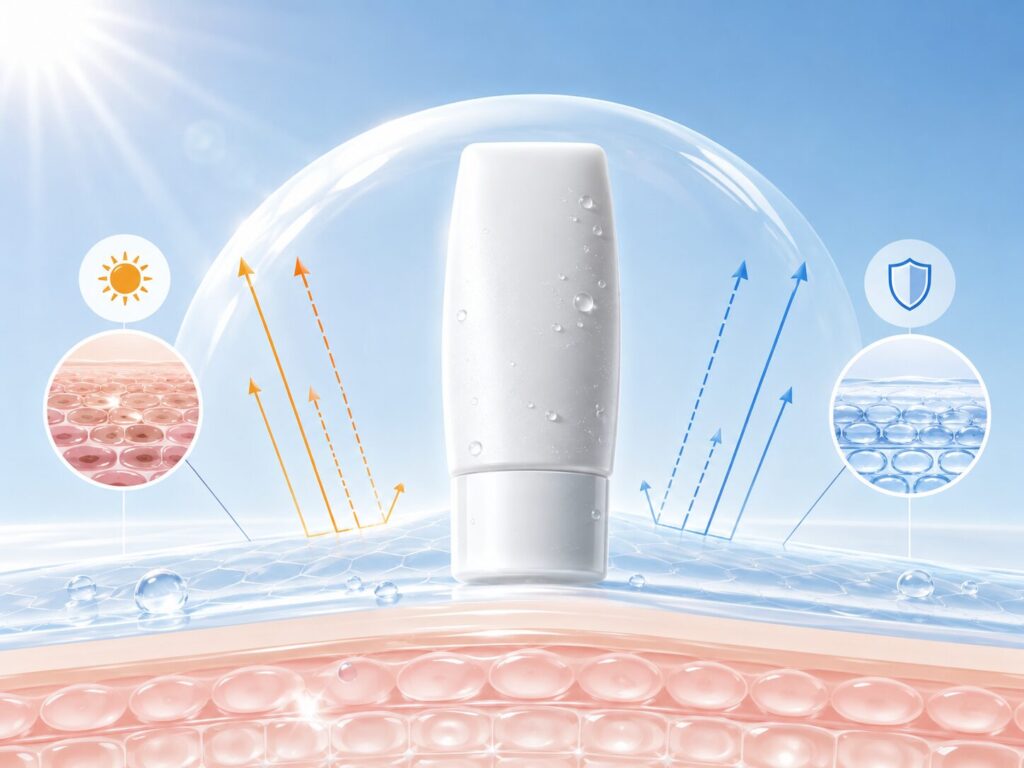
- SPF (Sun Protection Factor) measures protection against UVB rays, the ones responsible for sunburn. SPF50+ is the highest labeled rating in most regulatory systems, offering strong protection when applied correctly.
- PA (Protection Grade of UVA) measures protection against UVA rays, which penetrate deeper and are linked to premature aging and long-term skin damage. The rating goes from PA+ to PA++++, with PA++++ offering the highest UVA protection.
For daily use, dermatologists generally recommend at least SPF30 with PA+++ or higher. If you spend a lot of time outdoors, SPF50+ PA++++ is a safer bet.
How to Apply Korean Sunscreen the Right Way
A great sunscreen only works if it’s applied correctly. Here’s the general rule of thumb most skincare experts recommend:
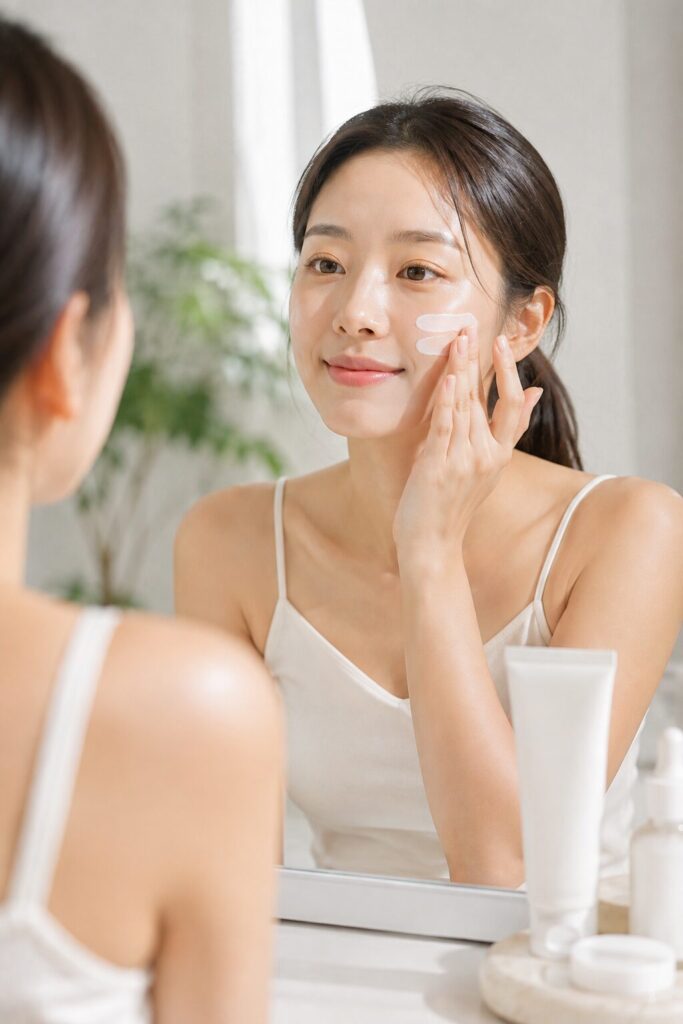
- Use enough product. The commonly cited guideline is about a nickel-to-quarter-sized amount for the full face — most people apply far less than this.
- Apply as the last step of skincare, before makeup. Let it absorb for a minute or two before applying sunscreen-adjacent products like primer or foundation.
- Reapply every two hours if you’re outdoors, sweating, or swimming, and immediately after toweling off.
- Don’t skip cloudy days. Up to 80% of UV rays can pass through clouds, so daily application matters regardless of weather.
- Apply to often-forgotten areas like the ears, neck, and hairline, where sun damage commonly shows up first.
Frequently Asked Questions
Are Korean sunscreens as effective as Western sunscreens? Yes. Korean sunscreens undergo testing and regulation through Korea’s MFDS, and many use UV filters that are proven effective and, in some cases, more advanced than what’s approved in the US. The SPF and PA ratings on the packaging reflect lab-tested protection levels.
Do Korean sunscreens leave a white cast? Most modern Korean sunscreens, especially chemical or hybrid formulas, are designed to sink in clear. Mineral-heavy formulas can still leave a slight cast on deeper skin tones, so it’s worth checking whether a product is chemical, mineral, or hybrid before buying if this is a concern for you.
Can I use a Korean sunscreen every day, even indoors? Yes. Daily use is recommended even indoors because UVA rays can pass through windows and contribute to skin aging over time.
What’s the difference between Korean and Japanese sunscreens? Both are known for lightweight, cosmetically elegant textures and often use similar or overlapping UV filter technology. Many people shop from both categories interchangeably, since brands like Anessa (Japan) sit comfortably alongside Korean brands in most Asian beauty retailers.
How much does a good Korean sunscreen cost? Most of the sunscreens featured in this guide fall in a similar mid-range price bracket compared to many Western sunscreens, making them accessible without being a major splurge, especially considering the added skincare benefits packed into each formula.
Final Thoughts
The best Korean sunscreen for you really comes down to your skin’s specific needs — texture preference, hydration level, and sensitivity all play a role. If you’re oily or acne-prone, start with a gel or watery formula like Beauty of Joseon or COSRX. If you’re dry, lean into hydrating options like Isntree or Skin1004. Sensitive skin does best with fragrance-free, centella-based formulas like Purito or Torriden. And if you’re not sure where you fall, a balanced milk-texture sunscreen like Anessa or Etude is a safe, versatile starting point.
Whichever one you choose, the most important habit is consistency — the best sunscreen is the one you’ll actually wear every single day.
This post is for informational purposes only and is not a substitute for professional dermatological advice. If you have specific skin concerns, consult a dermatologist before starting a new skincare routine.