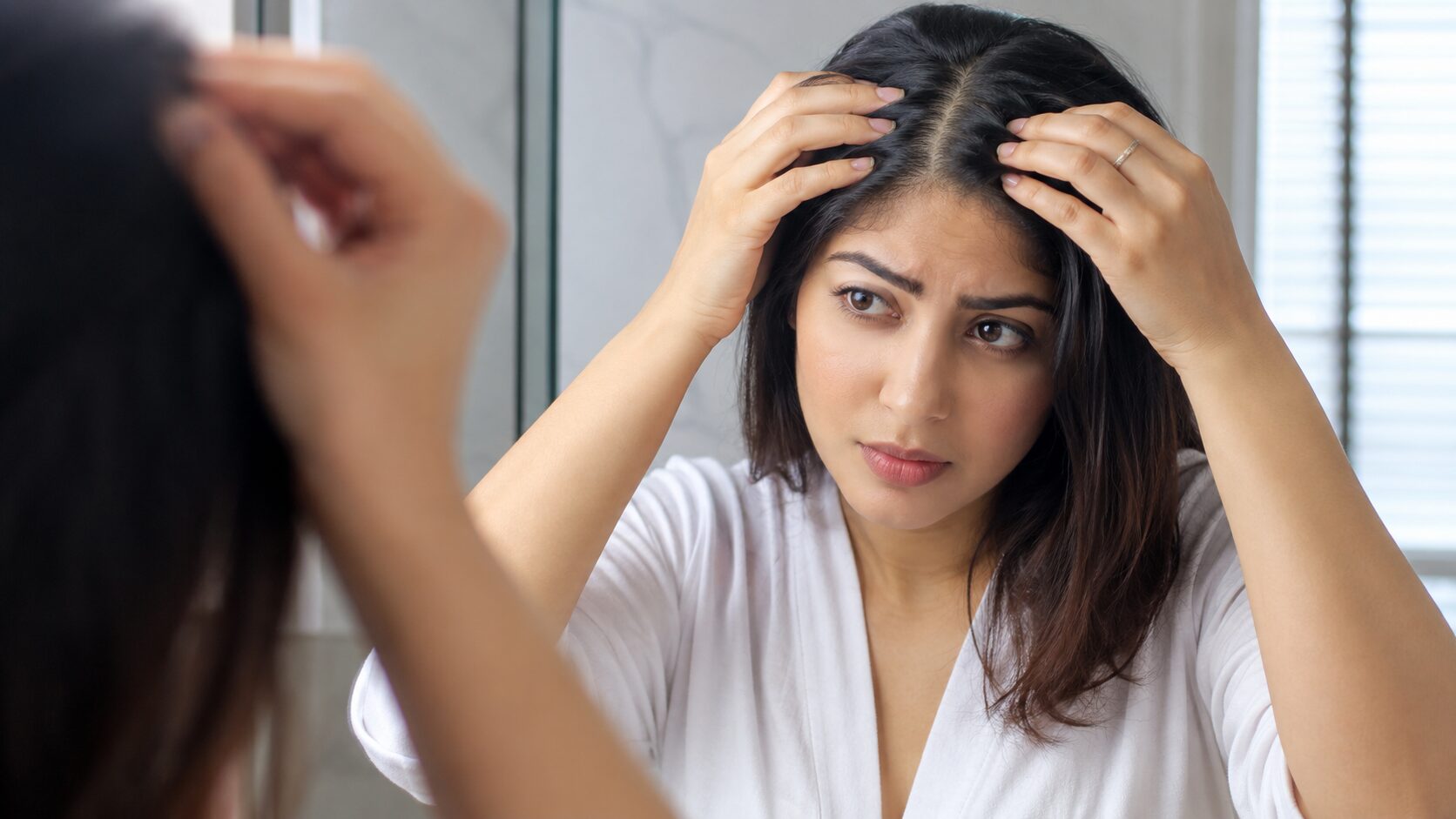
If you’ve noticed more hair strands on your pillow, in your shower drain, or tangled in your hairbrush lately, you’re not imagining things — and you’re definitely not alone. Hair thinning affects millions of men and women worldwide, and it can start much earlier than most people expect, sometimes even in your late 20s.
The good news? In most cases, hair thinning isn’t random. It has real, identifiable causes — and once you understand what’s actually happening to your scalp and hair follicles, you can take steps that make a genuine difference.
In this guide, we’ll walk through the most common reasons hair starts thinning, what your hair growth cycle actually looks like, and practical, science-backed ways to support thicker, healthier-looking hair.
Understanding the Hair Growth Cycle
Before we talk about why hair thins, it helps to understand how hair grows in the first place.
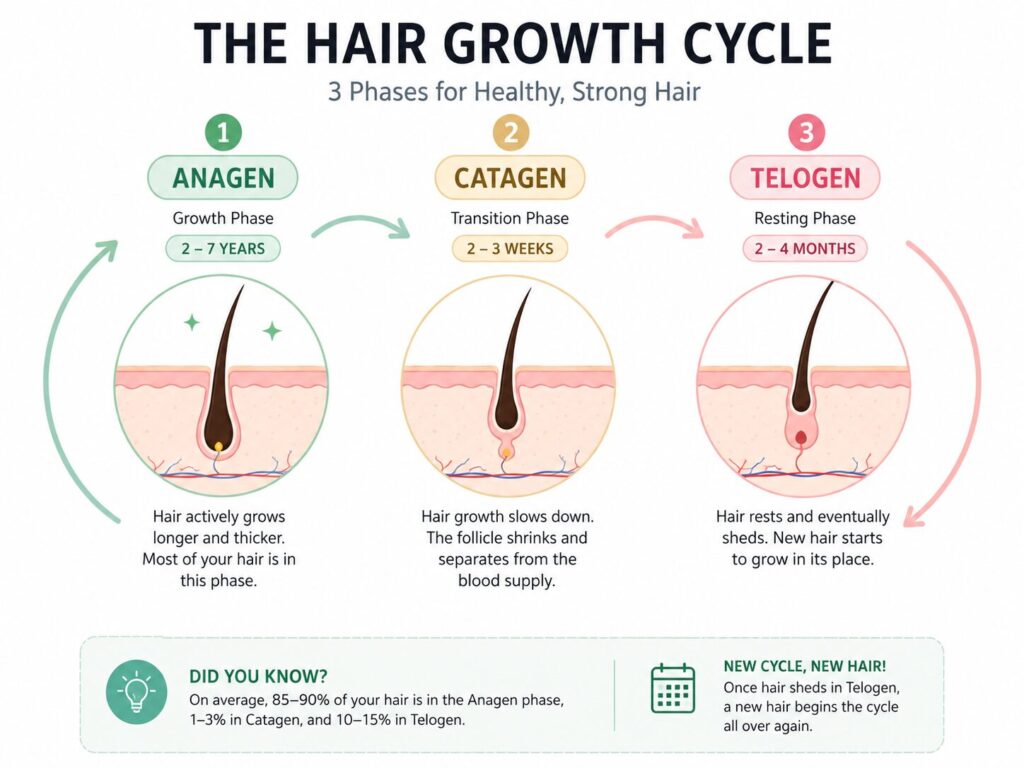
Every strand of hair on your head goes through three main phases:
- Anagen (Growth Phase) – This is the active growth stage, and it can last anywhere from 2 to 7 years. The longer your hair stays in this phase, the longer it grows.
- Catagen (Transition Phase) – A short phase (about 2–3 weeks) where the hair follicle shrinks and growth slows down.
- Telogen (Resting Phase) – The hair stops growing and eventually falls out, making way for a new strand to begin the cycle again.
At any given time, about 85–90% of your hair should be in the anagen (growing) phase. Hair thinning usually happens when more hairs than normal shift into the resting and shedding phase, or when the anagen phase itself gets shorter over time. This is why the number of hairs actively “in growth” is often used as a marker of overall hair health.
7 Common Causes of Hair Thinning
1. Hormonal Changes
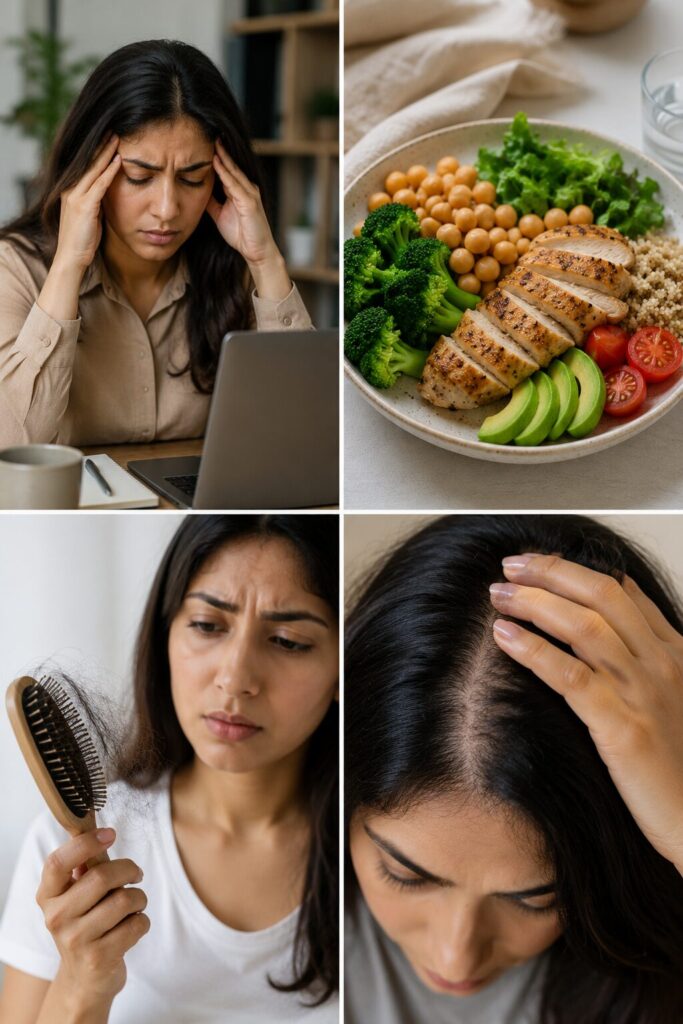
Hormones play a huge role in hair health. Fluctuations from pregnancy, childbirth, menopause, thyroid imbalances, or conditions like PCOS can all push more hair follicles into the resting phase at once, leading to noticeable shedding a few months later.
2. Stress (Physical or Emotional)
Chronic stress — whether from work, illness, surgery, or major life changes — can trigger a condition called telogen effluvium, where a large number of hair follicles prematurely enter the shedding phase. It’s one of the most common and often overlooked causes of sudden hair thinning.
3. Nutritional Deficiencies
Your hair follicles need a steady supply of protein, iron, biotin, zinc, and vitamin D to function properly. Crash diets, restrictive eating, or underlying deficiencies can starve your follicles of what they need to produce strong, thick strands.
4. Genetics (Androgenetic Alopecia)
Also known as male or female pattern hair loss, this is the most common cause of long-term thinning. It’s largely inherited and tends to show up as a receding hairline in men or a widening part line in women.
5. Aging
As we age, the anagen (growth) phase of the hair cycle naturally shortens, and hair follicles gradually produce thinner, finer strands. This is a normal part of aging, but it can be slowed with the right scalp and nutritional support.
6. Harsh Styling and Heat Damage
Frequent heat styling, tight hairstyles, chemical treatments, and harsh brushing can weaken the hair shaft and damage follicles over time, leading to breakage that looks and feels like thinning.
7. Scalp Health Issues
An unhealthy scalp — whether it’s dry, inflamed, or has excess oil buildup — creates a poor environment for hair follicles. Just like a plant needs healthy soil, your hair needs a healthy scalp to grow well.
How to Tell If You’re Losing “Normal” Hair or Experiencing Real Thinning
It’s completely normal to lose 50–100 hairs a day as part of the natural growth cycle. Signs that suggest you may be dealing with more significant thinning include:
- A visibly widening part line
- Increased scalp visibility, especially under bright light
- Noticeably thinner ponytail circumference
- Excessive shedding that lasts more than a few weeks
- Hair that feels finer or more fragile than it used to
If you notice several of these signs together, it’s worth looking closer at your daily habits, nutrition, and scalp care routine — and, if it persists, speaking with a healthcare provider or dermatologist.
What Actually Helps Support Thicker, Healthier-Looking Hair

There’s no shortage of hair growth advice online, but not all of it is backed by real research. Here are the approaches that are genuinely worth focusing on:
Feed Your Follicles From the Inside Out
Since hair follicles rely on nutrients delivered through your bloodstream, what you eat (and how well your body absorbs it) directly affects hair quality. Look for nutrients like biotin, plant-based growth-supporting compounds, and antioxidants that protect the scalp from oxidative stress.
One ingredient that’s gained a lot of attention in clinical research is AnaGain™, a patented pea sprout extract studied for its ability to help activate hair follicles and extend the growth phase of hair. In clinical testing, this ingredient has been associated with a noticeable increase in the number of hairs in the active growing phase within just one month of consistent use.
This is actually the key ingredient behind Purality Health’s Liposomal Hair Renewal formula, a liquid supplement designed to support thicker, fuller-looking hair from the inside. It uses a liposomal delivery system, meaning the nutrients are wrapped in a protective layer that helps your body absorb them more efficiently compared to standard capsules or tablets. It’s simple to take (just a few pumps a day), has a natural strawberry flavor, and comes with a 180-day money-back guarantee — so there’s very little risk in trying it if you’re looking for extra support for thinning hair. (As with any supplement, results vary from person to person, and it’s always a good idea to check with your doctor first — especially if you’re pregnant, nursing, or managing a medical condition.)
Manage Stress Proactively
Since stress is such a common trigger for hair shedding, building in regular stress-management habits — sleep, exercise, mindfulness, or simply reducing your daily load — can have a real, measurable impact on your hair cycle over time.
Be Gentle With Styling
Reducing heat styling frequency, avoiding tight hairstyles that pull on the hairline, and using a wide-tooth comb on wet hair can all reduce unnecessary breakage.
Support Your Scalp Directly
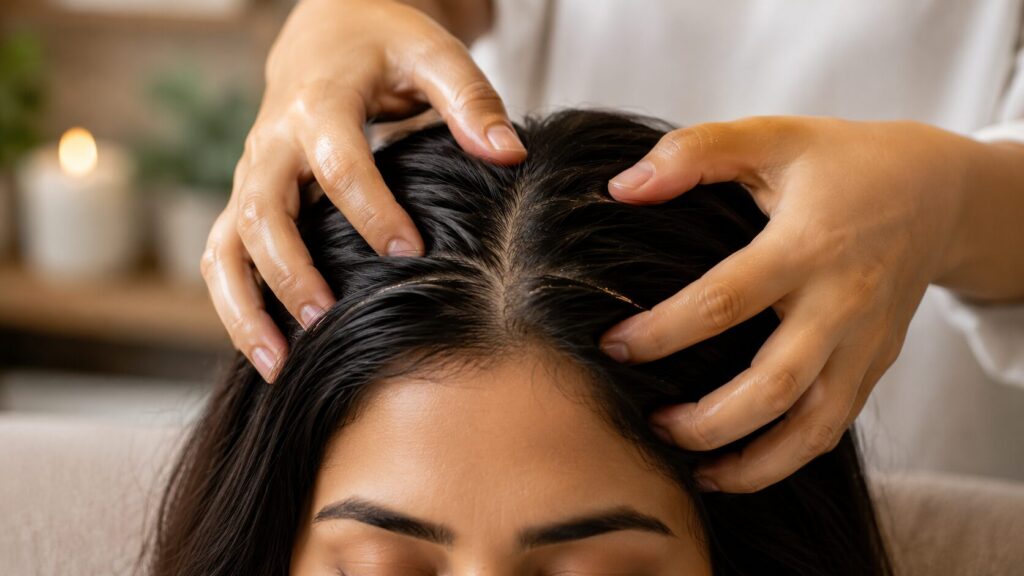
A healthy scalp is the foundation for healthy hair. Gentle scalp massage, using sulfate-free shampoos, and avoiding excessive product buildup can help keep your scalp environment optimal for growth.
Stay Consistent
Hair grows slowly — usually about half an inch per month — so any change you make, whether it’s dietary, topical, or supplemental, needs time to show results. Most nutritional or supplement-based approaches take at least 4–8 weeks before you notice a visible difference, since you’re working with the natural hair growth cycle, not against it.
When to See a Professional
While lifestyle and nutritional changes help a lot of people, you should consider seeing a dermatologist or doctor if:
- Your hair loss is sudden, patchy, or accompanied by scalp pain or itching
- You notice bald patches rather than general thinning
- Hair loss is affecting your eyebrows or eyelashes too
- You suspect an underlying hormonal or thyroid issue
A professional can run the right tests to rule out (or confirm) conditions like alopecia areata, thyroid disorders, or iron deficiency anemia, which sometimes need targeted medical treatment beyond general hair care.
Frequently Asked Questions About Hair Thinning
Is it normal to lose hair every day? Yes. Losing 50–100 hairs a day is a normal part of the hair growth cycle. It only becomes a concern when shedding increases noticeably or continues for several weeks without slowing down.
Can hair thinning be reversed? In many cases, yes — especially when the cause is related to stress, nutrition, or hormonal fluctuations rather than genetics. Supporting your follicles with the right nutrients, reducing stress, and being gentle with styling can help restore a healthier growth cycle over time.
How long does it take to see results from hair supplements? Because hair grows in cycles, most people need at least 4–8 weeks of consistent use before noticing a visible difference, and 3 months or more for more significant changes, since you’re essentially working with your natural growth cycle rather than an overnight process.
Does diet really affect hair growth? Absolutely. Hair follicles are metabolically active and need a steady supply of protein, iron, biotin, and other micronutrients to function properly. Nutritional gaps are one of the most common and most fixable causes of thinning hair.
What’s the difference between hair shedding and hair loss? Shedding refers to the normal daily hair fall as part of the growth cycle. Hair loss (like androgenetic alopecia) refers to a longer-term reduction in hair density, often due to genetics or an underlying medical condition, and it usually needs a more targeted approach.
Final Thoughts
Hair thinning can feel discouraging, but it’s rarely something you have to just accept and live with. Understanding why it’s happening — whether it’s hormones, stress, nutrition, genetics, or scalp health — puts you in a much better position to address it effectively.
Small, consistent changes to your diet, stress levels, and hair care routine can make a real difference over time. And if you’re looking for extra nutritional support specifically formulated for hair growth, options like a liposomal hair renewal supplement built around clinically-studied ingredients can be a helpful addition to your routine.
Whatever path you choose, the most important thing is consistency. Hair follicles respond to sustained care, not quick fixes — so give your routine time to work, and track your progress along the way.
Disclaimer: This article is for informational purposes only and is not intended as medical advice. Individual results with any supplement or hair care approach may vary. Always consult a qualified healthcare professional before starting any new supplement, especially if you are pregnant, nursing, taking medication, or have an existing medical condition. This post contains an affiliate link, meaning we may earn a commission if you make a purchase through it, at no extra cost to you.