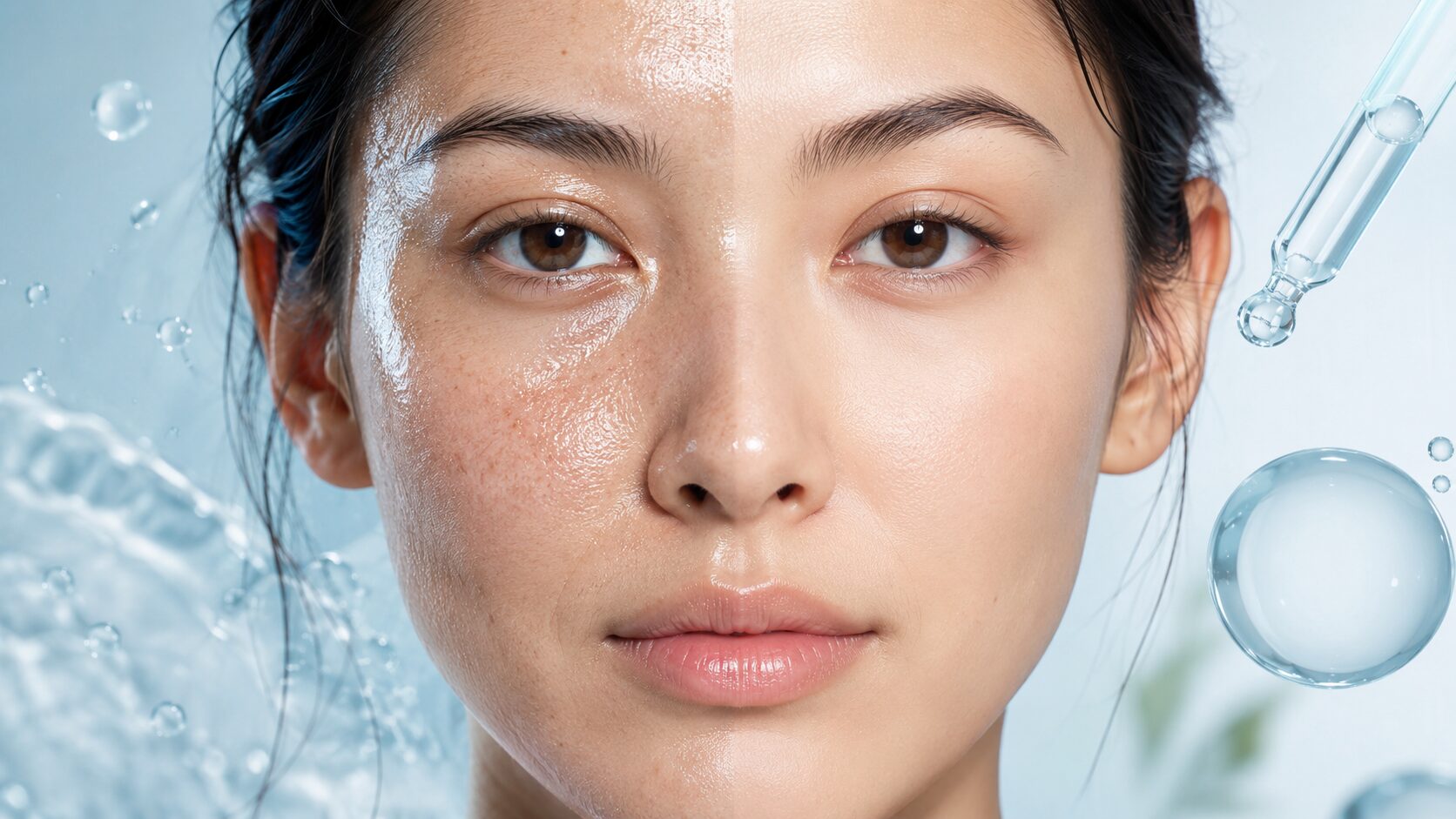
If you have oily skin, you’ve probably had this thought at least once: “Do I really need a moisturizer? Won’t it just make my face oilier?”
It’s one of the most common skincare myths out there — and it’s completely wrong. Oily skin still needs hydration. In fact, skipping moisturizer can actually make oiliness worse, because your skin overcompensates by producing even more sebum to make up for the lack of moisture.
The real problem isn’t moisturizer itself. It’s using the wrong kind of moisturizer — thick, heavy, occlusive creams that sit on top of oily skin and make it feel like a grease trap by noon.
In this guide, we’ll break down exactly what makes a moisturizer “oily-skin-friendly,” which ingredients to look for (and avoid), and the best lightweight, non-greasy moisturizers you can buy right now — including a few premium picks worth the splurge.
Table of Contents
- Why Oily Skin Still Needs Moisturizer
- What Makes a Moisturizer “Non-Greasy”
- Ingredients to Look For
- Ingredients to Avoid
- Best Moisturizers for Oily Skin (Full List)
- Budget vs Premium: Which Should You Choose?
- How to Apply Moisturizer on Oily Skin
- Morning vs Night Routine for Oily Skin
- Common Mistakes People With Oily Skin Make
- Frequently Asked Questions
1. Why Oily Skin Still Needs Moisturizer
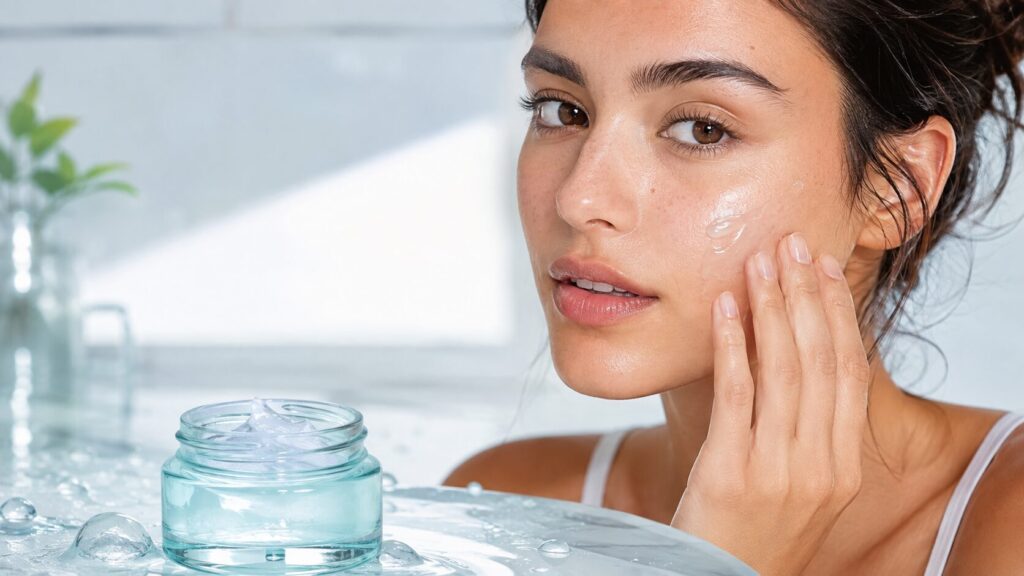
Oily skin means your sebaceous glands produce excess sebum (natural oil). But oil and hydration are not the same thing. Your skin can be oily on the surface while still being dehydrated underneath — this is called “oily-dehydrated skin,” and it’s incredibly common.
When your skin lacks water, it sends a signal to produce more oil to compensate. This creates a frustrating cycle: the drier your skin gets, the oilier it looks. Using a well-formulated, lightweight moisturizer actually helps regulate this cycle by keeping your skin barrier healthy and properly hydrated, which can reduce excess shine over time.
Skipping moisturizer entirely doesn’t “starve” the oil away — it usually backfires.
2. What Makes a Moisturizer “Non-Greasy”
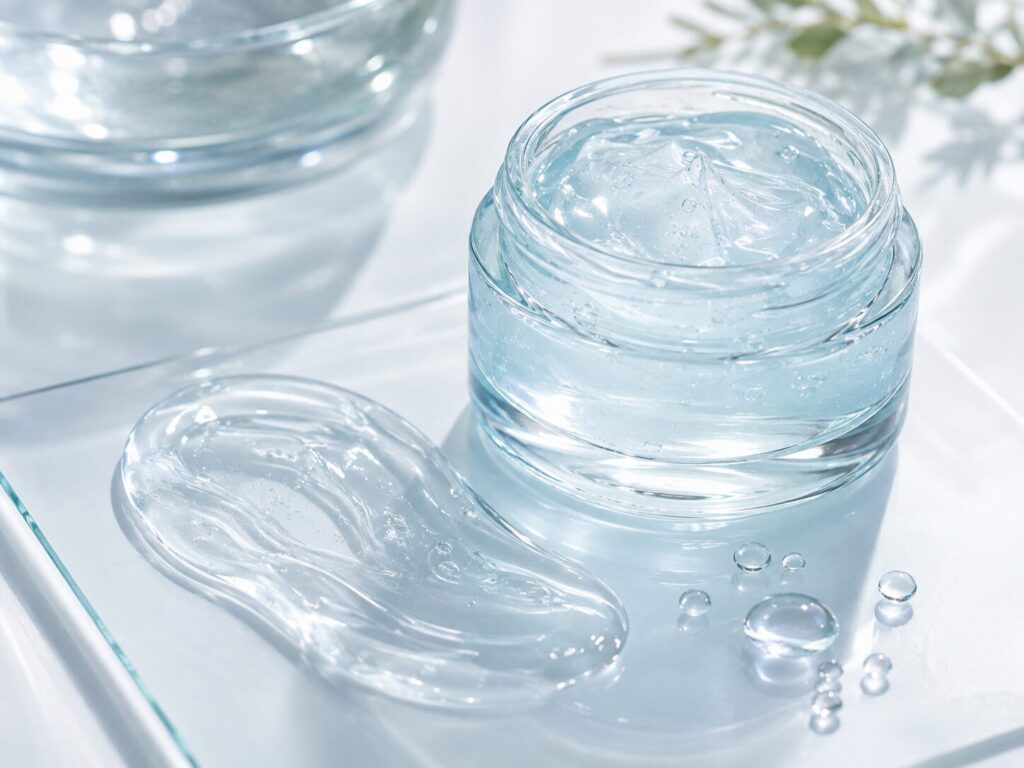
Not all moisturizers are created equal. The ones that work well for oily skin typically share these traits:
- Water-based or gel-based formula instead of oil-based or cream-heavy
- Lightweight texture that absorbs quickly without leaving a film
- Non-comedogenic (won’t clog pores)
- Oil-free or low-oil content
- Matte or semi-matte finish after application
- Often labeled “for oily skin,” “oil-free,” or “gel moisturizer”
The goal is a formula that hydrates the skin without adding extra surface oil.
3. Ingredients to Look For
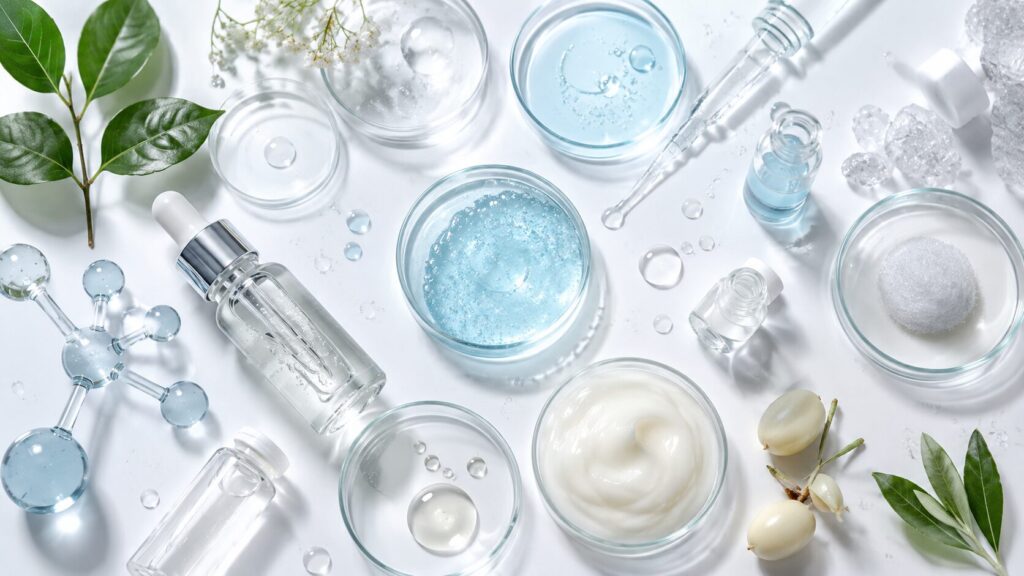
When you’re shopping for a moisturizer, flip the bottle over and check the ingredient list. These ingredients tend to work best for oily and combination skin:
- Hyaluronic Acid – hydrates without adding oil; holds water in the skin
- Niacinamide (Vitamin B3) – helps regulate oil production and minimizes the look of pores
- Glycerin – lightweight humectant that draws moisture into skin
- Salicylic Acid (BHA) – gently exfoliates inside pores, useful if you’re acne-prone
- Squalane (plant-derived) – mimics skin’s natural oils but absorbs fast without feeling heavy
- Zinc PCA – helps control shine and has soothing properties
- Ceramides – support the skin barrier, which indirectly helps regulate oil
4. Ingredients to Avoid
Some ingredients tend to work against oily skin by clogging pores or adding unnecessary richness:
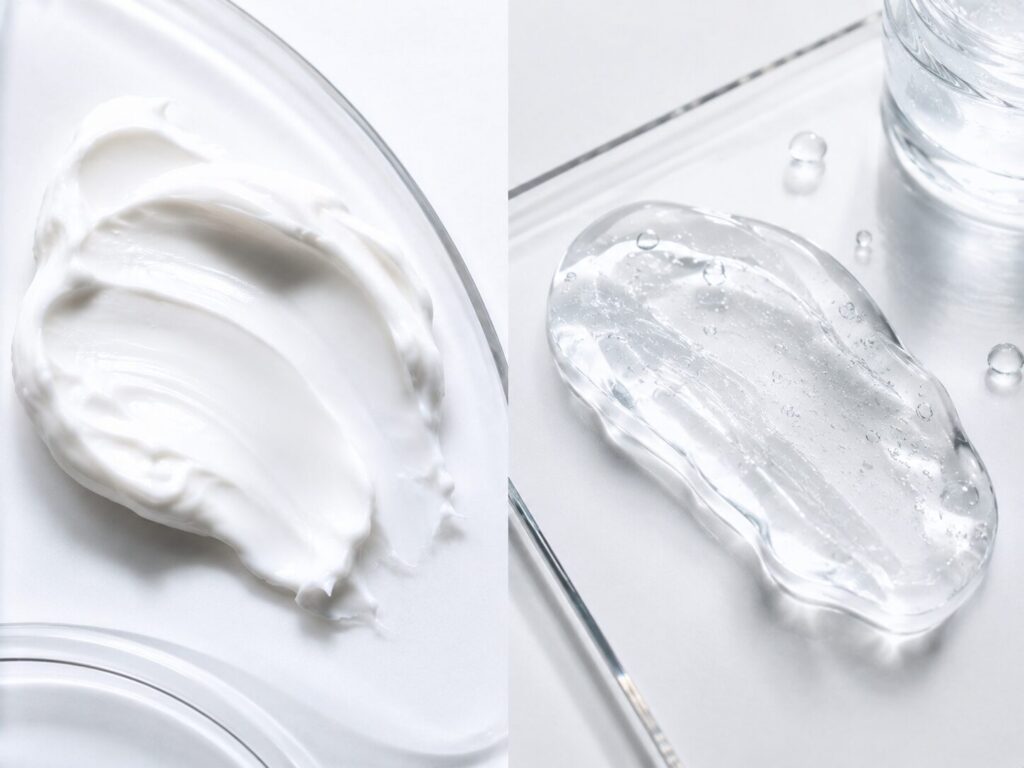
- Heavy mineral oils or petrolatum-based occlusives (in high concentration)
- Coconut oil (highly comedogenic for many people)
- Cocoa butter and shea butter in thick concentrations
- Lanolin
- Alcohol-heavy formulas (can dry skin out and trigger more oil production)
- Synthetic fragrance, if you’re prone to sensitivity or breakouts
This doesn’t mean every product with these ingredients is bad — but if you have consistently oily or acne-prone skin, these are worth watching out for.
5. Best Moisturizers for Oily Skin (Full List)
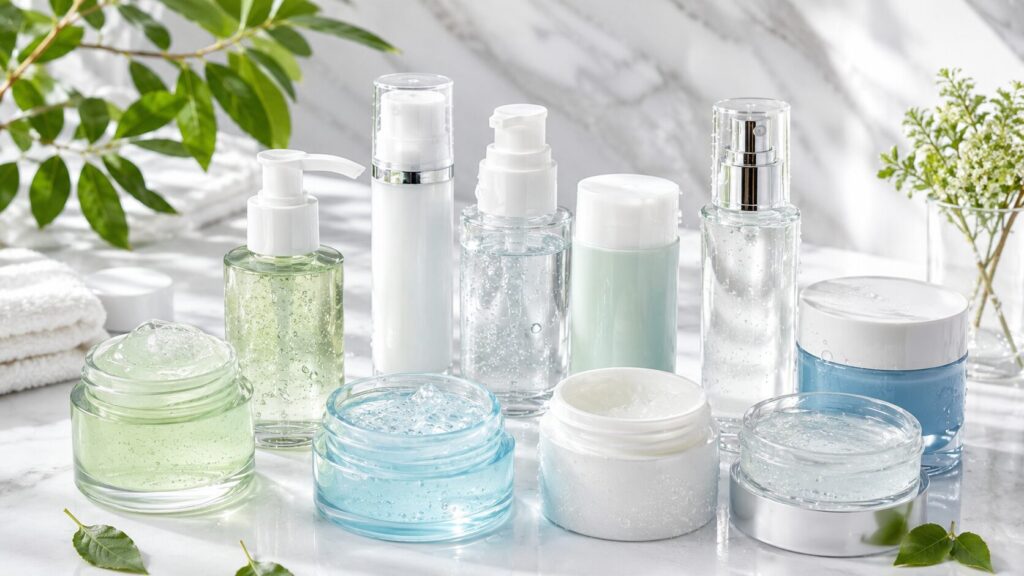
Below is a curated list of moisturizers that are genuinely lightweight, non-greasy, and well-reviewed for oily and combination skin. This list includes both budget-friendly drugstore options and premium picks for anyone who wants to invest a little more.
1. Neutrogena Hydro Boost Water Gel
A cult-favorite gel moisturizer built around hyaluronic acid. It has a bouncy, water-like texture that absorbs almost instantly and leaves a satin (not shiny) finish. Great for beginners and oily-dehydrated skin types.
2. La Roche-Posay Effaclar Mat
Specifically formulated for oily, acne-prone skin. Uses sebum-regulating technology to control shine for hours without over-drying. A dermatologist-recommended option that’s popular in both the US and global markets.
3. CeraVe Facial Moisturizing Lotion PM
An oil-free, lightweight lotion with niacinamide and ceramides. It supports the skin barrier while controlling shine, making it a solid nighttime option for oily and combination skin.
4. Clinique Dramatically Different Moisturizing Gel (Premium Pick)
A long-standing favorite in the premium skincare space. This oil-free gel formula hydrates without clogging pores and has a smooth, non-tacky finish. Clinique is a well-recognized brand on Amazon, and premium skincare listings like this typically carry higher price points — which often means a stronger commission payout per sale compared to budget alternatives.
5. Kiehl’s Oil-Free Ultra Facial Cream (Premium Pick)
Kiehl’s is a globally recognized premium skincare brand. This version of their iconic Ultra Facial Cream is reformulated to be oil-free, giving you the same 24-hour hydration the original is known for, minus the heaviness. A great “gift-worthy” option that also appeals to readers researching higher-end skincare.
6. Peter Thomas Roth Water Drench Hyaluronic Cloud Cream (Premium Pick)
A best-seller in the prestige skincare category. Despite the word “cream” in the name, this formula is surprisingly lightweight and gel-like, powered by multiple weights of hyaluronic acid. It’s a strong pick if your audience is interested in higher-ticket skincare products.
7. Fresh Rose Deep Hydration Moisturizer (Premium Pick)
A favorite among skincare enthusiasts for its lightweight gel-cream texture and rosewater base. It hydrates deeply without a greasy after-feel and has strong brand recognition, especially with a US and global beauty audience.
8. The Ordinary Natural Moisturizing Factors + HA
A budget-friendly, no-frills option. Lightweight, fragrance-free, and fast-absorbing. A good entry point if you’re building trust with a price-conscious audience before recommending premium alternatives.
Note on affiliate links: Paste your individual Amazon Associates tracking links in each bracketed space above. For the premium picks (Clinique, Kiehl’s, Peter Thomas Roth, Fresh), double check current commission rates in your Amazon Associates dashboard under the Luxury Beauty / Premium Beauty category, since these can change and vary by region — don’t publish a specific commission percentage without verifying it first.
6. Budget vs Premium: Which Should You Choose?
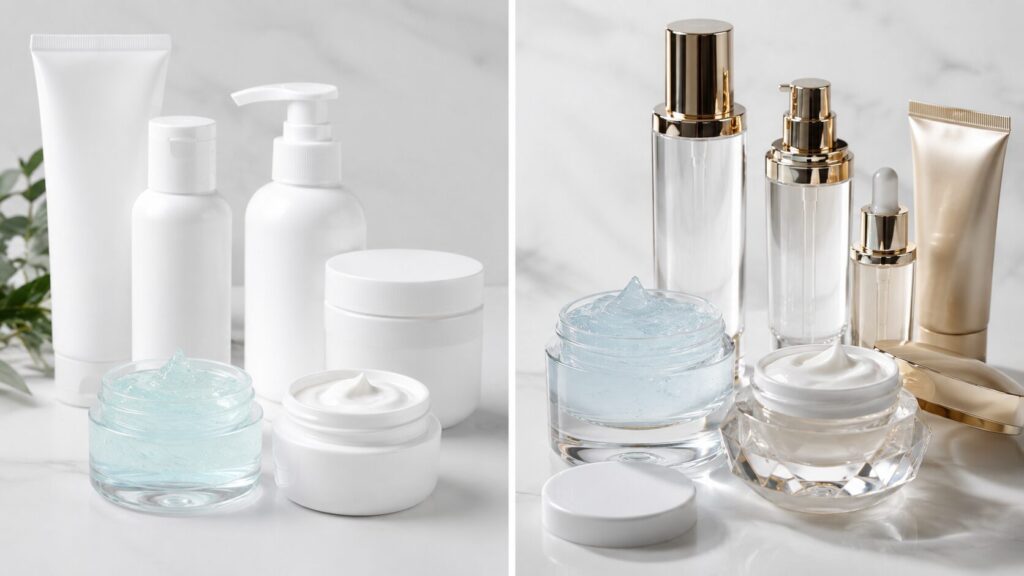
Here’s the honest answer: the price tag doesn’t automatically mean better results.
- Budget options (Neutrogena, CeraVe, La Roche-Posay, The Ordinary) are formulated with dermatologist-backed ingredients and are often just as effective for daily hydration and oil control.
- Premium options (Clinique, Kiehl’s, Peter Thomas Roth, Fresh) tend to offer more refined textures, added skin-feel benefits, and brand prestige — appealing if you enjoy the “experience” of skincare, or if you’re shopping for a gift.
If you’re new to gel moisturizers, start with a budget pick to see how your skin responds. If you already know gel-based hydration works for you and want to upgrade your routine, the premium picks are a worthwhile step up.
7. How to Apply Moisturizer on Oily Skin
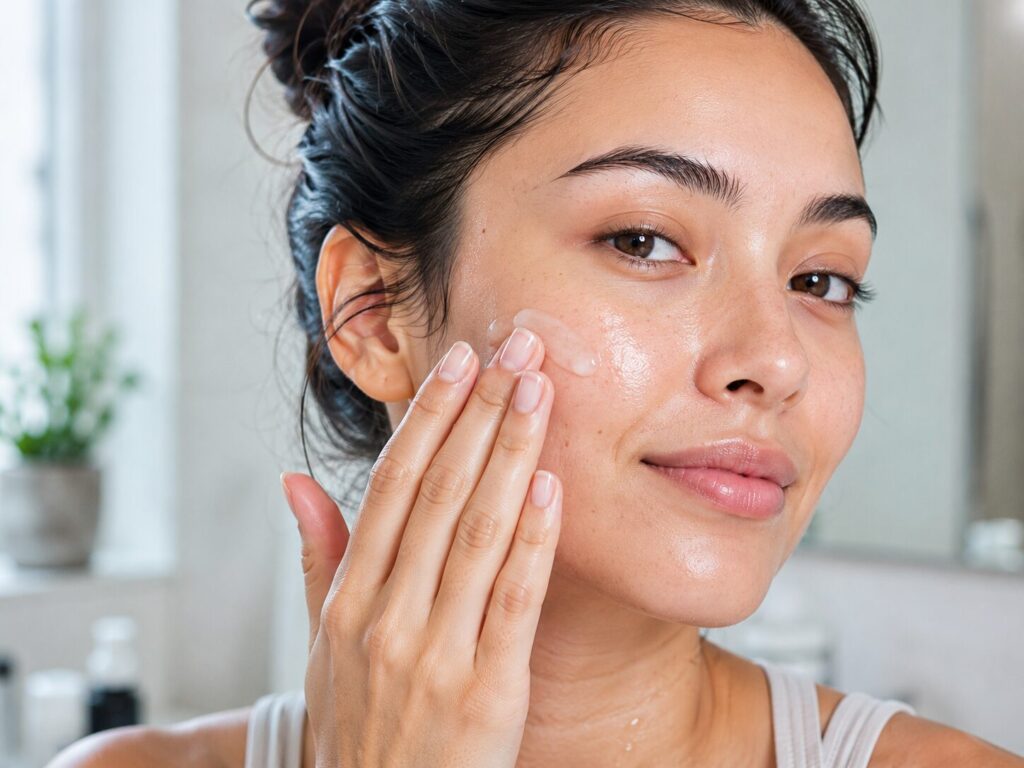
Even the best moisturizer won’t perform well if it’s applied incorrectly. Follow this simple method:
- Cleanse first with a gentle, oil-free cleanser.
- Pat skin dry — don’t rub.
- Apply while skin is slightly damp. This helps lightweight, water-based moisturizers absorb better and lock in hydration.
- Use a pea-sized amount. More product doesn’t mean more hydration — it usually just means more shine.
- Press, don’t rub, the product in. Rubbing can drag the skin and doesn’t help absorption.
- Wait 1–2 minutes before applying sunscreen or makeup, so the moisturizer has time to settle.
8. Morning vs Night Routine for Oily Skin
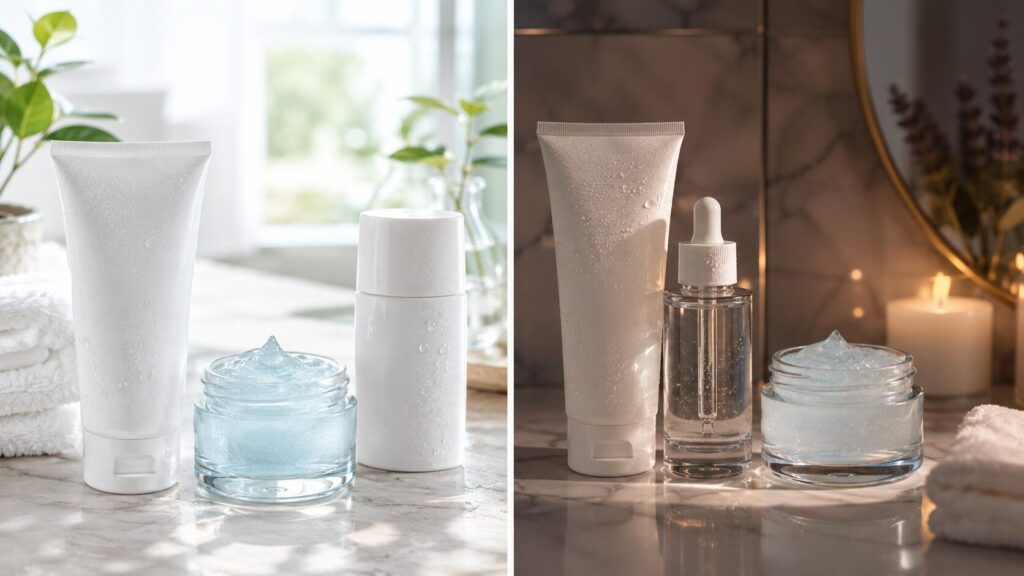
Morning routine: Cleanser → Lightweight gel moisturizer → SPF (non-negotiable, even for oily skin)
Night routine: Cleanser (or double cleanse if you wore makeup/sunscreen) → Treatment product (like niacinamide or a BHA) → Moisturizer to lock everything in
A common mistake is skipping moisturizer at night because skin “feels oily enough already.” But nighttime is when your skin repairs itself, and a good moisturizer supports that process without adding extra shine, since you’re not wearing it out in the sun or under makeup.
9. Common Mistakes People With Oily Skin Make
- Skipping moisturizer entirely — leads to more oil production, not less
- Over-washing the face — strips natural oils, triggering rebound oiliness
- Using harsh, alcohol-based toners — can damage the skin barrier over time
- Choosing heavy, cream-based moisturizers made for dry skin
- Not using sunscreen because it “feels greasy” — look for oil-free, gel-based SPF instead
- Switching products too often — give a new moisturizer at least 2–3 weeks before judging results
10. Frequently Asked Questions
Q: Should oily skin use a moisturizer with SPF, or apply them separately? Both work, but applying a lightweight moisturizer first and a dedicated oil-free sunscreen afterward usually gives better sun protection and a more controlled finish, especially outdoors.
Q: Is gel moisturizer better than cream for oily skin? Generally yes. Gel moisturizers are water-based, absorb faster, and are less likely to feel heavy or clog pores compared to traditional creams.
Q: Can oily skin become dry from over-moisturizing? Not typically — as long as you’re using a lightweight, non-comedogenic formula. What can happen is “over-moisturizing” with the wrong (heavy) product, which sits on the surface and feels greasy, but this isn’t the same as your skin becoming dry.
Q: How long does it take to see results from switching moisturizers? Most people notice a difference in shine control and comfort within 1–2 weeks, but it can take 4–6 weeks to see the full effect on pore appearance and overall skin texture.
Q: Is niacinamide better than hyaluronic acid for oily skin? They do different things — niacinamide helps regulate oil and minimize pore appearance, while hyaluronic acid hydrates. Many of the best oily-skin moisturizers combine both for a balanced effect.
Final Thoughts
Oily skin doesn’t mean you should avoid moisturizer — it means you need the right moisturizer. Lightweight, water-based, non-comedogenic formulas can control shine, support your skin barrier, and actually reduce excess oil production over time.
Whether you start with a budget-friendly option like the Neutrogena Hydro Boost or invest in a premium pick like Kiehl’s Oil-Free Ultra Facial Cream, the key is consistency and choosing a formula that matches your skin’s actual needs — not just what looks fancy on a shelf.
Disclosure: This post contains affiliate links. If you purchase through these links, we may earn a small commission at no extra cost to you. We only recommend products we believe are genuinely useful for oily and combination skin types.